















SCB Marine Past Meetings
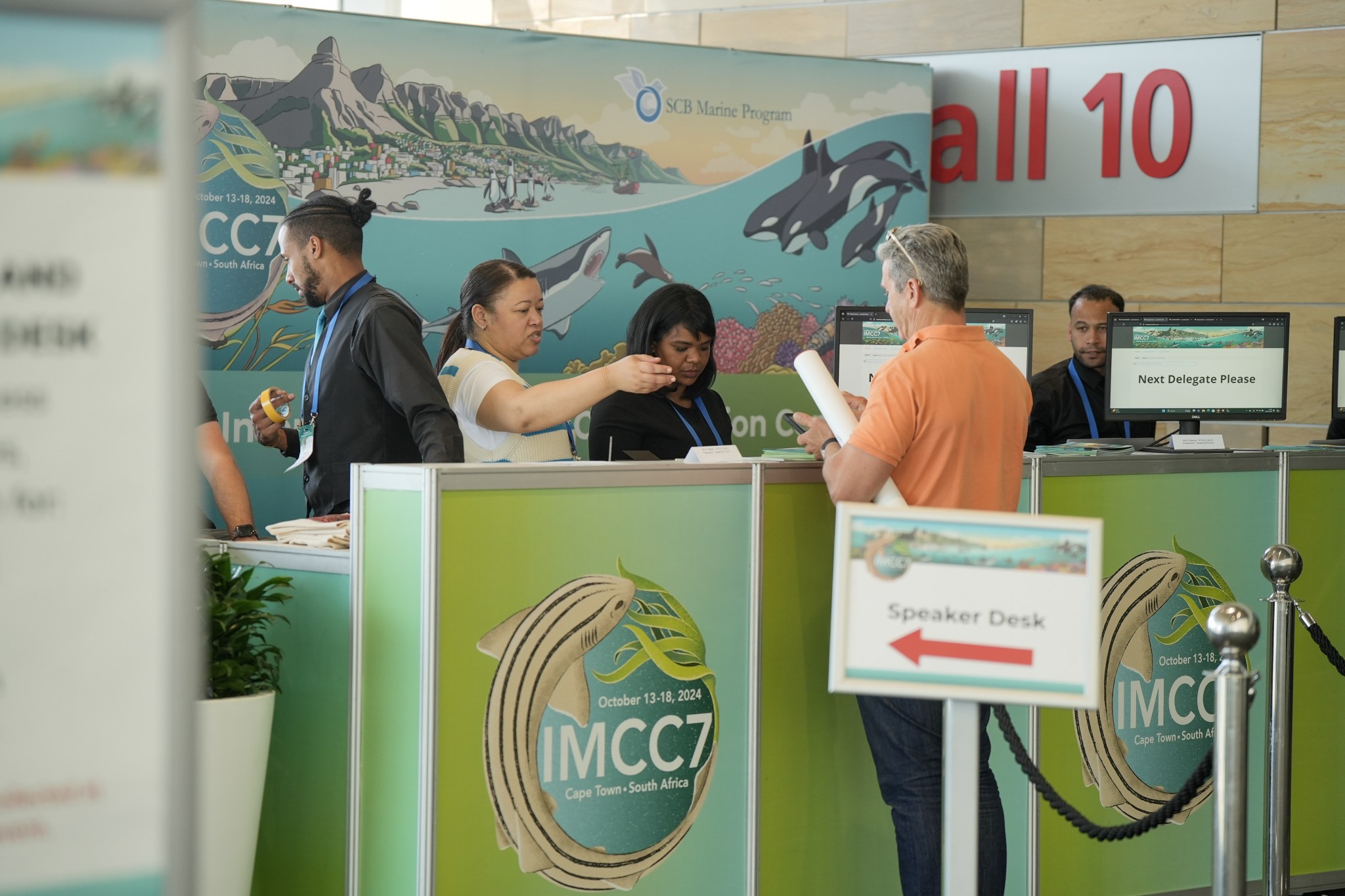
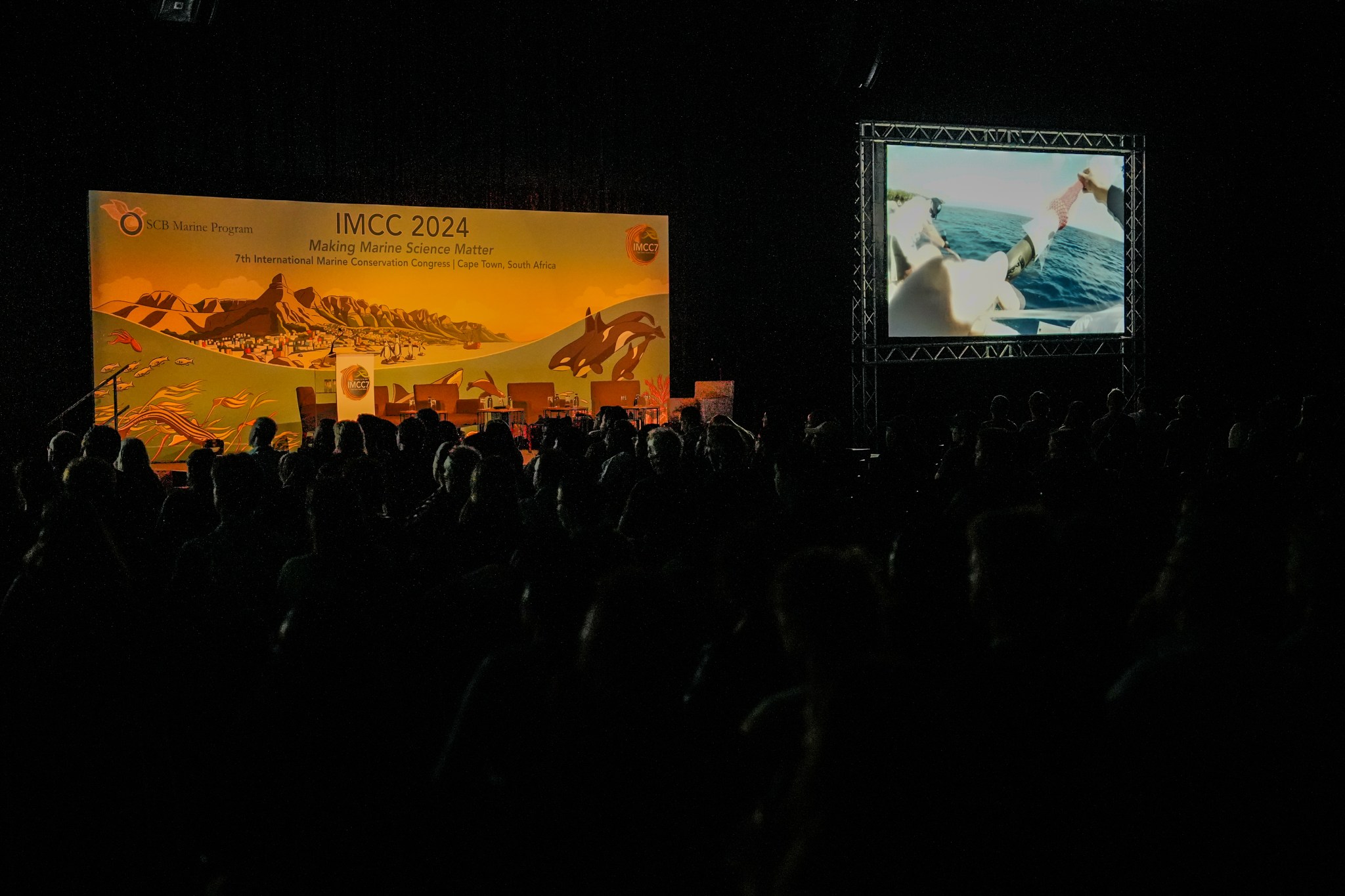
Cape Town, South Africa October 13-18, 2024
Global Reach, Practical Focus
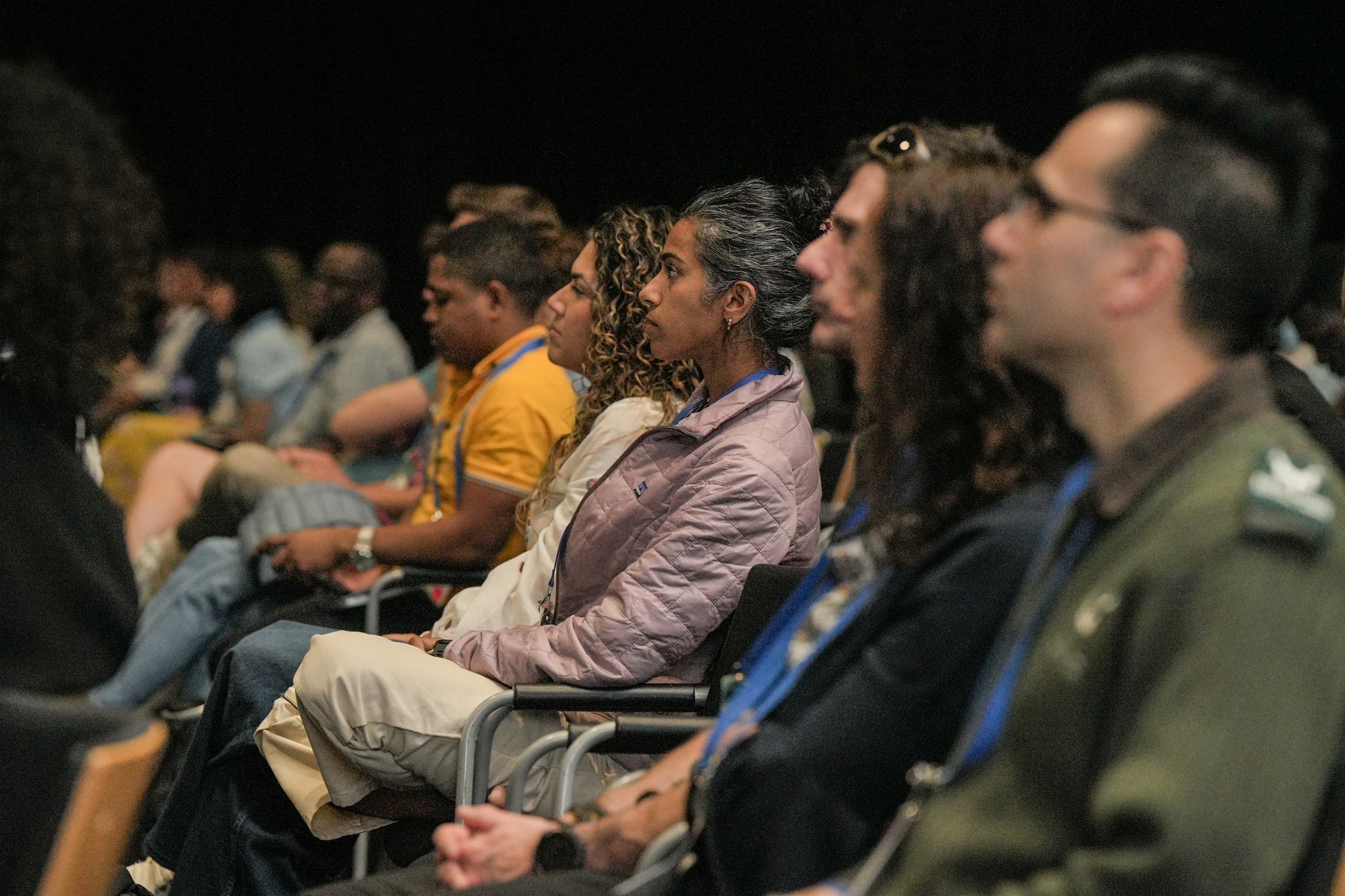
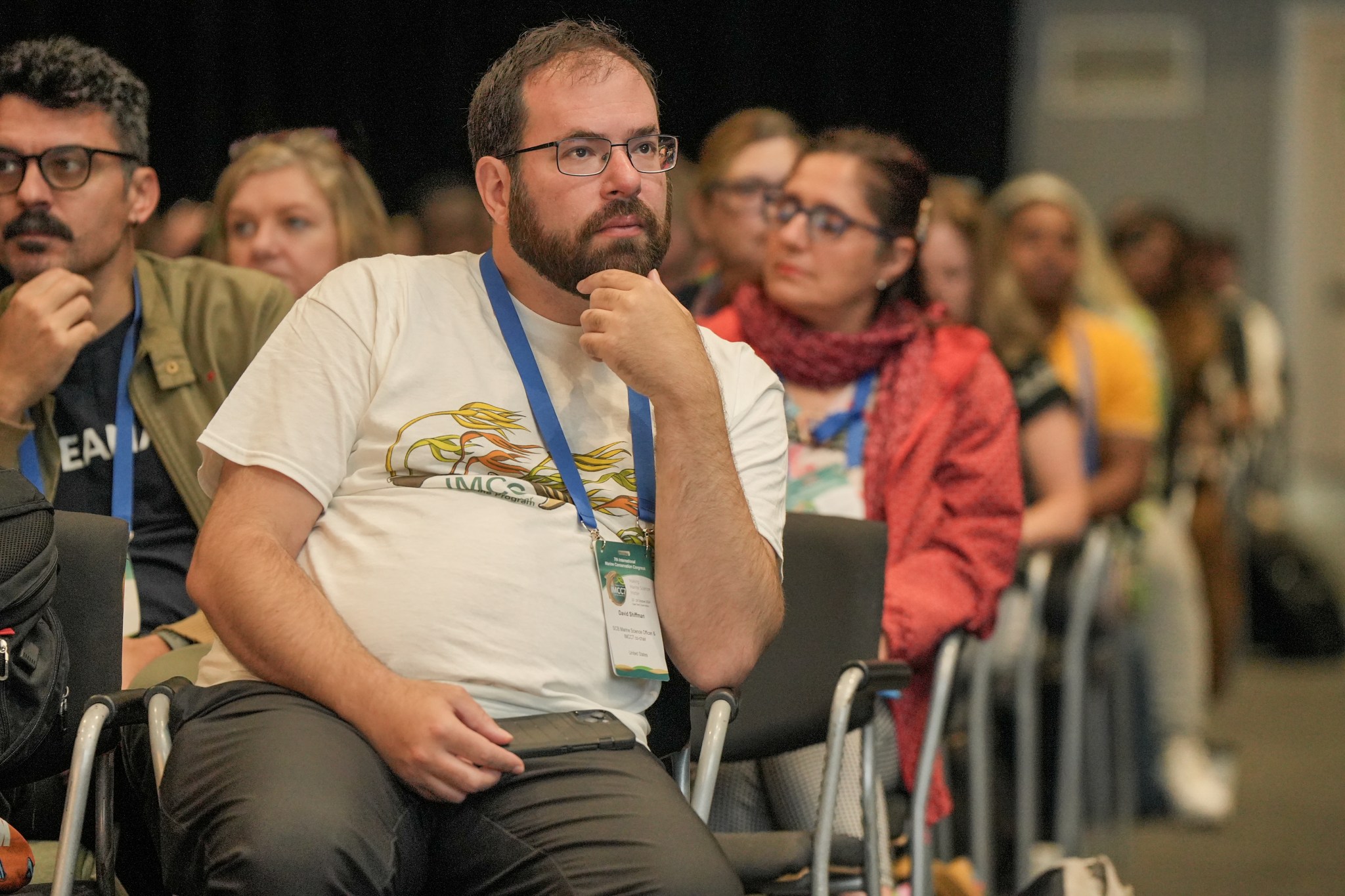
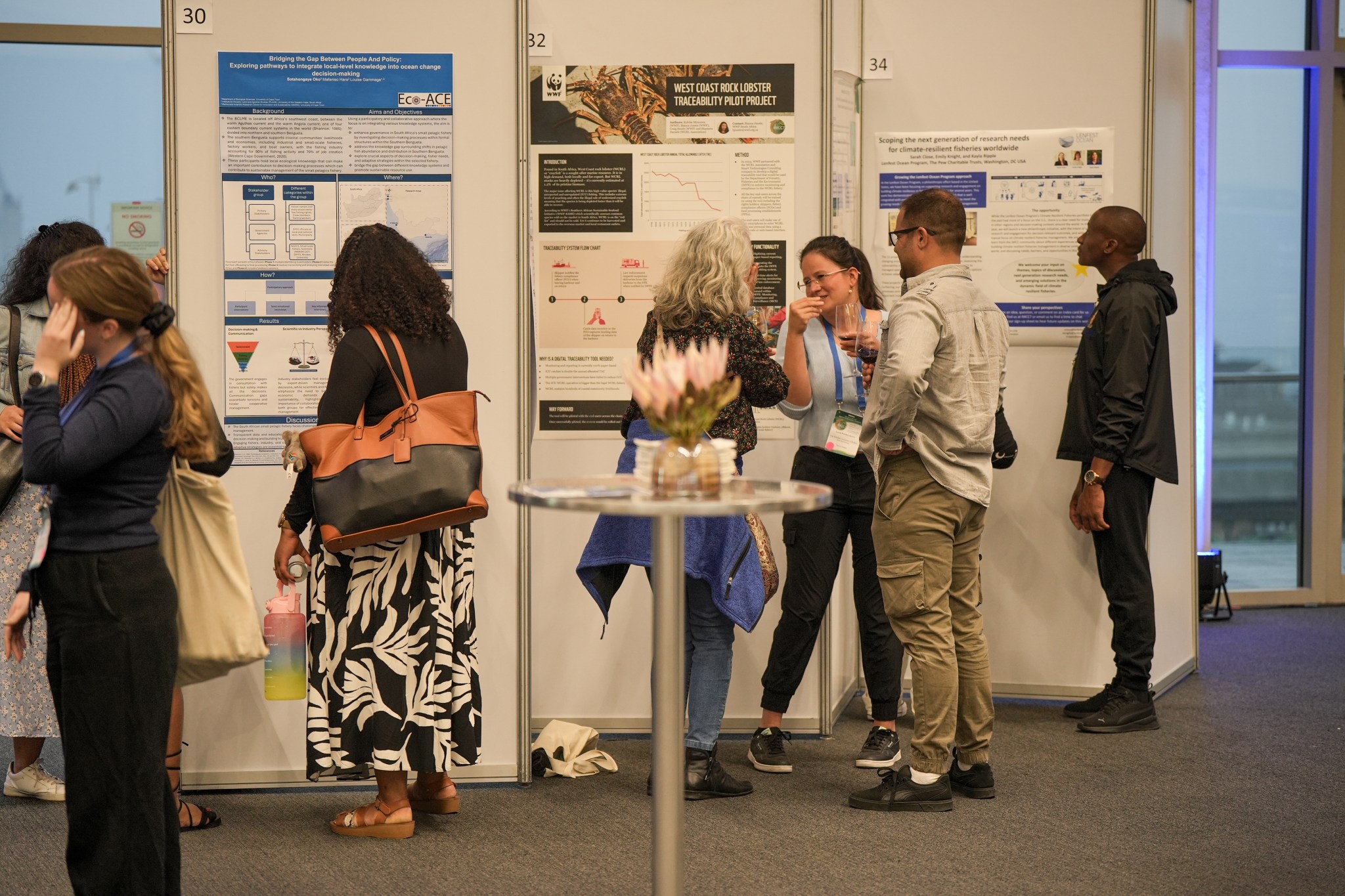
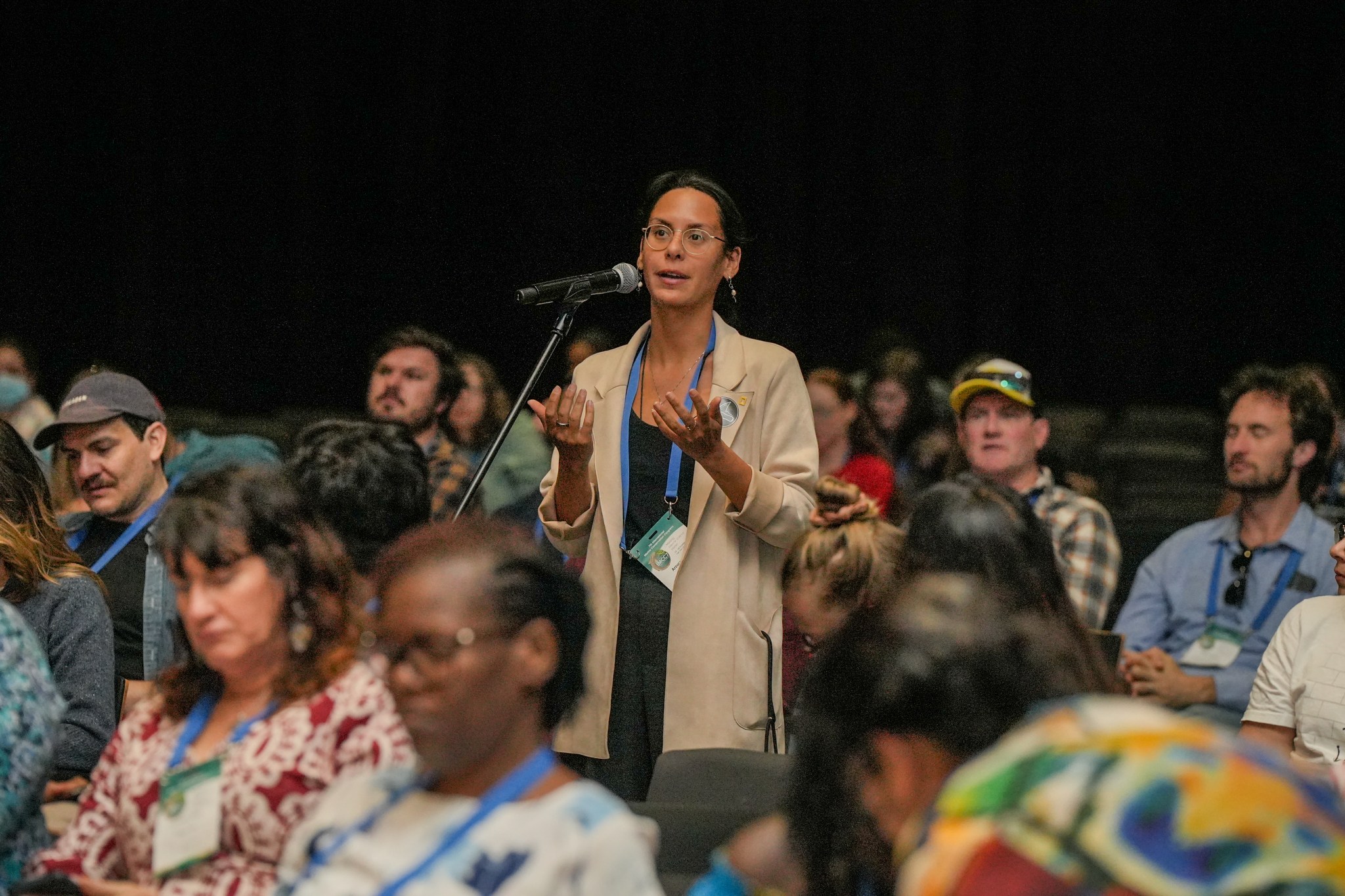
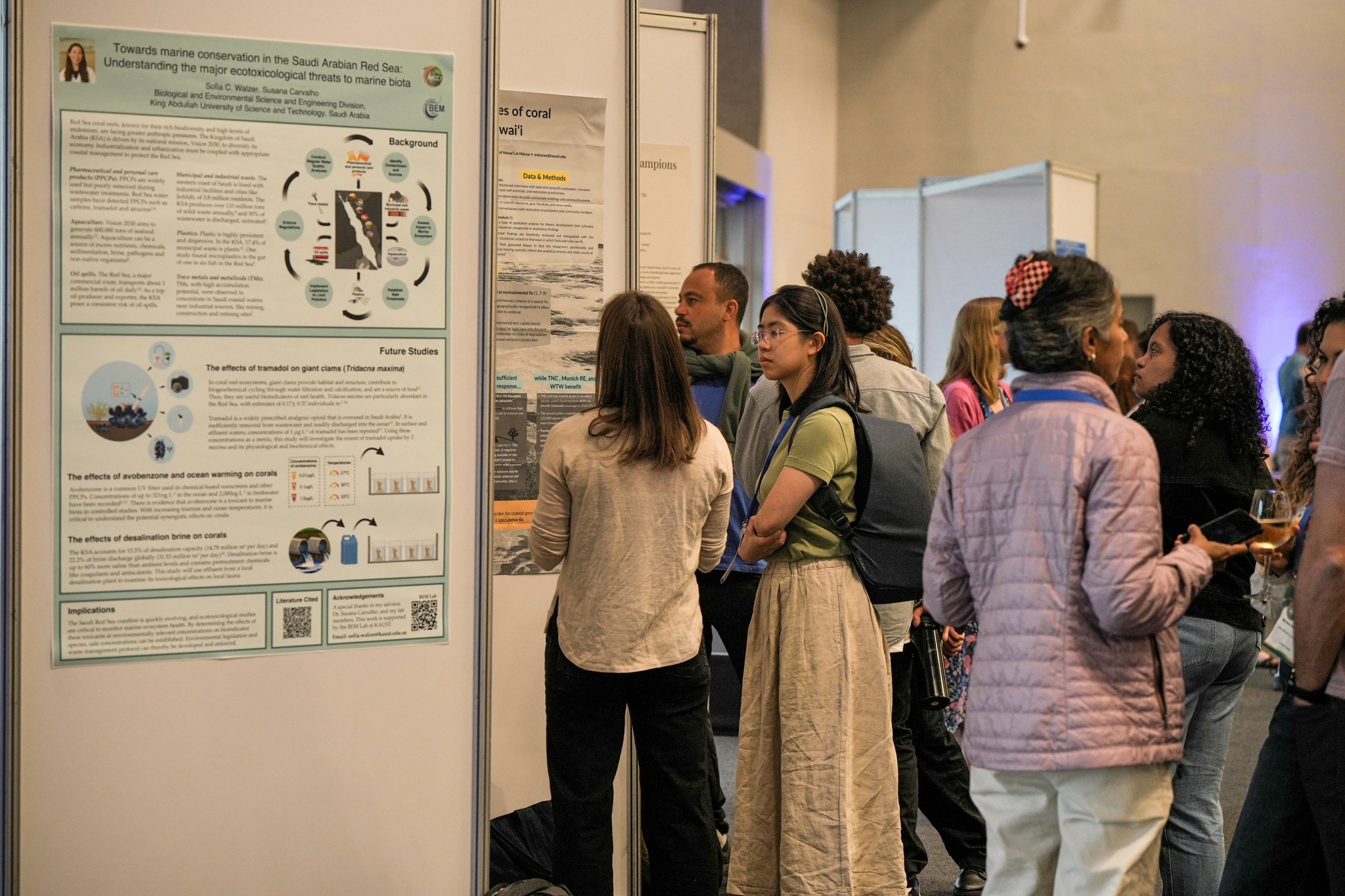
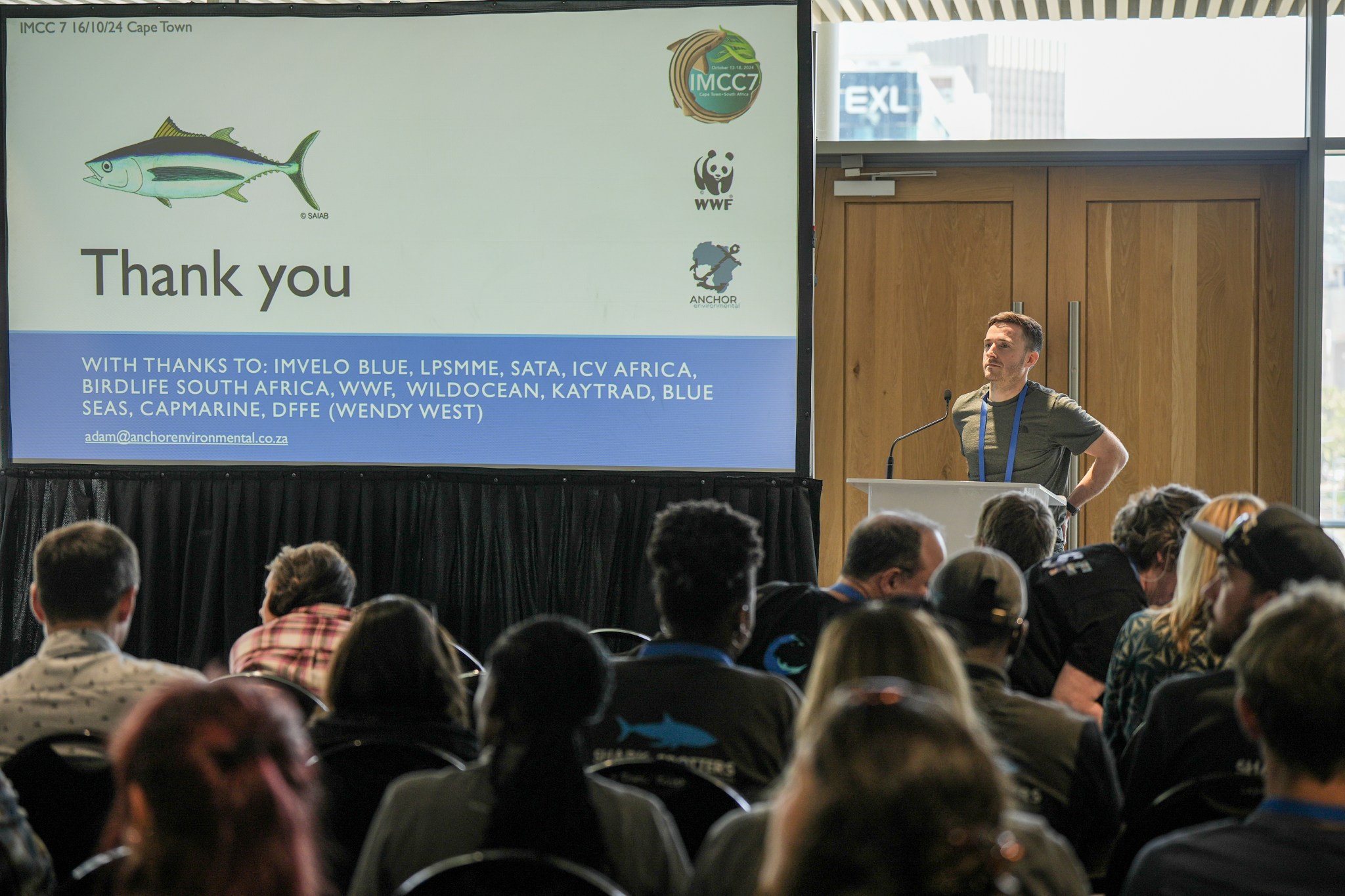
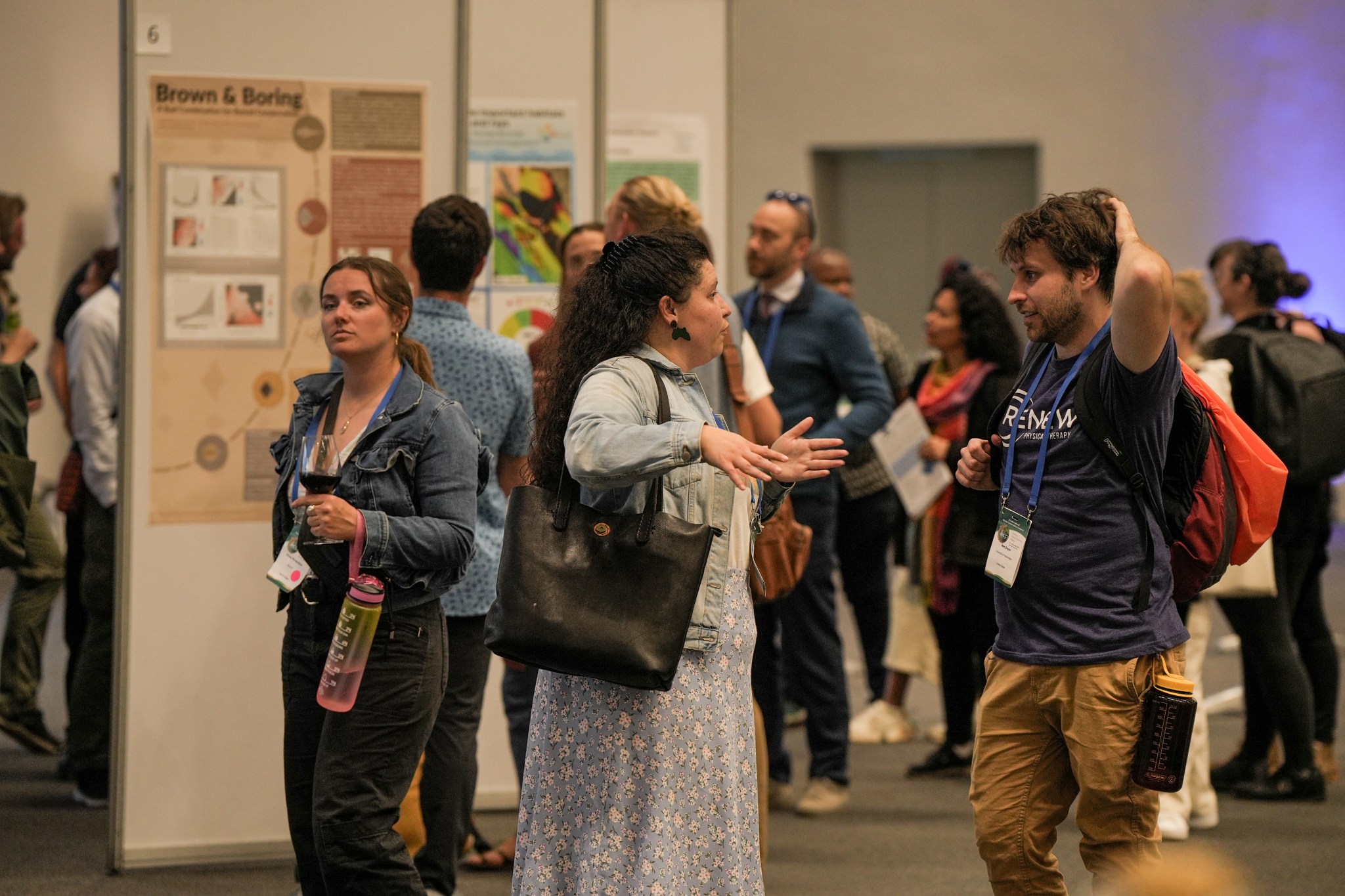
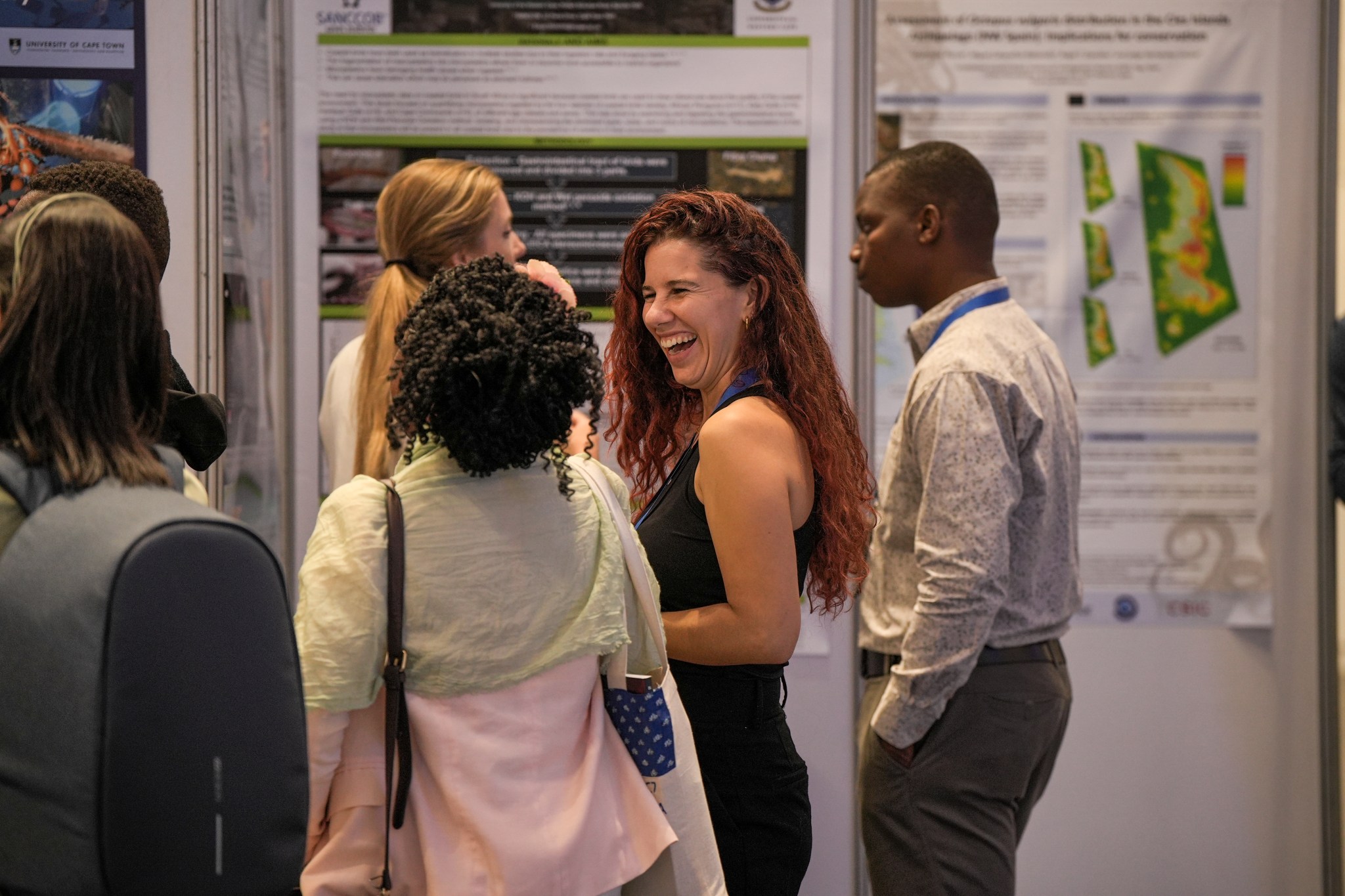
IMCC7 tackled some of the most pressing marine conservation issues, with discussions spanning from marine protected area (MPA) policies and international fisheries governance to climate adaptation strategies and efforts to combat illegal, unreported, and unregulated (IUU) fishing.
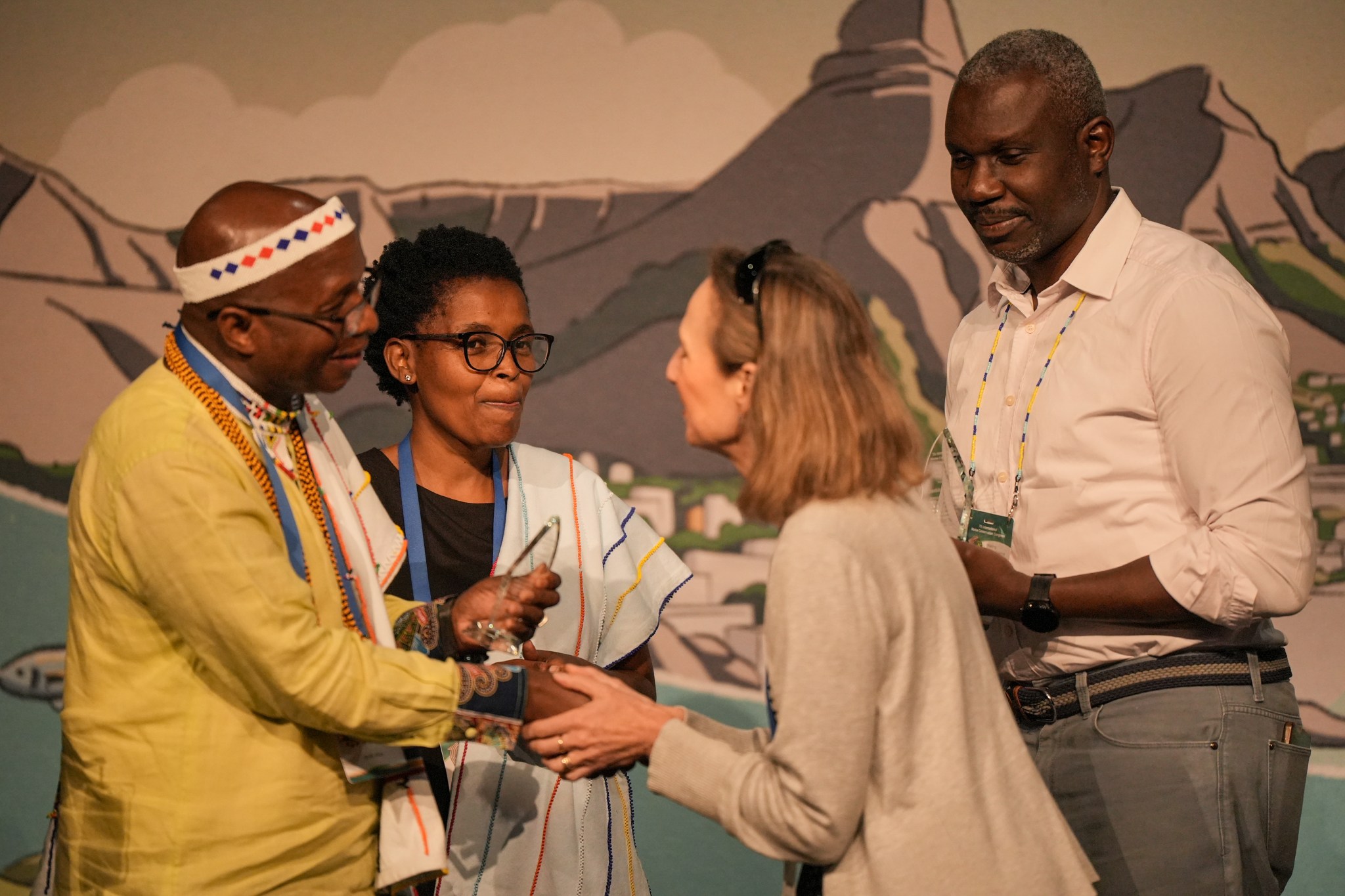
A highlight of the Congress was the emphasis on indigenous rights and justice and equity in ocean governance, showcasing successful co-management models that promote equity and sustainability.

Virtually August 2020
Held virtually in 2020, IMCC6 brought together more than 1,100 delegates from over 80 countries, making it one of the largest and most geographically diverse International Marine Conservation Congresses to date. The online format expanded access for participants from around the world and demonstrated how virtual scientific meetings can reduce financial, geographic, and visa-related barriers to participation.
IMCC6 also helped advance important conversations on justice, equity, diversity, and inclusion (JEDI) in marine conservation. Discussions and workshops at the congress contributed to the development of Johri et al. (2021), Pathways to Justice, Equity, Diversity, and Inclusion in Marine Science and Conservation, which provides a roadmap for creating more inclusive organizations, conferences, journals, and institutions. Read the paper: https://doi.org/10.3389/fmars.2021.696180
The congress also served as a case study for Niner & Wassermann (2021), Better for Whom? Leveling the Injustices of International Conferences by Moving Online, demonstrating how virtual conferences can broaden participation and improve accessibility while highlighting lessons for future scientific meetings. Read the paper: https://doi.org/10.1002/ece3.8810
Together, these contributions cemented IMCC6’s legacy not only as a successful global conference, but also as a catalyst for advancing more equitable and inclusive approaches to marine conservation.

Kuching, Sarawak, Malaysia June 22 – 29, 2018
To conserve the world’s oceans we must go beyond science, and use it to inform policy and management, and ultimately to catalyze change. The Society for Conservation Biology’s International Marine Conservation Congress (IMCC) brings together conservation professionals and students to develop new and powerful tools to further marine conservation science and policy.
With over 700 marine conservation professionals and students in attendance, IMCC is the most important international event for anyone involved in marine conservation.
The 5th International Marine Conservation Congress (IMCC5) was held in the beautiful city of Kuching in Sarawak! This conference brought together marine conservationists from many walks of life including but not limited to marine conservation scientists, practitioners, teachers, policy makers, and journalists. Thank you for joining us in the middle of the Indo-Pacific as we came together to help “Make Marine Science Matter!”

St. John’s, Newfoundland and Labrador, Canada (YYT) 30 July – 3 August 2016
To conserve the world’s oceans we must go beyond science, and use it to inform policy and management, to ultimately catalyze change. Hosted by the Marine Program of the Society for Conservation Biology, IMCCs bring together conservation professionals and students to develop new and powerful tools to further marine conservation science and policy.

Glasgow, Scotland 14-19 August 2014
IMCC3 was a major success, bringing together hundreds of marine science and marine conservation professionals in Scotland. Plenary Speaker Dr. Heather Koldewey and talks at the IMCC3 inspired the hashtag: #OceanOptimism.

2011 International Marine Conservation Think Tank
Auckland, New Zealand 2-5 December 2011
The Marine Program hosted a special set of marine themed focus groups, designed to address specific problems on marine conservation issues of special concern for the southern hemisphere. These meetings were held immediately prior to the SCB global meeting in Auckland, New Zealand.
Fourteen meetings took place:
Antarctic issues
- Predicting ecosystem change in Antarctic ecosystems
Reefs in crisis
- Social resilience and adaptation in coral reef communities
MPA effectiveness
- The role of prioritisation in Marine Protected Area designation
- Quantifying the effectiveness of community-managed marine protected areas in Oceania
- Big Ocean Network: A research agenda and science dissemination strategy for large scale MPAs
- Sea change: a campaign to increase support and activism for marine protected areas.
- Pelagic ecosystems and the management of MPAs
Deep sea ecosystems
- Deep-sea coral research to enhance conservation.
Marine wildlife tourism and small, isolated populations
- Steps to success in research and management of by-catch and other marine conservation issues.
- Marine mammal/tourism interactions
High seas governance
- Science requirements for effective High Seas governance
Sustainable fisheries
- Fisheries management: the science, conservation and management
Other
- Improving global marine biodiversity assessments
- Ocean governance in Aotearoa New Zealand

Victoria Convention Centre, British Columbia, Canada 14-18 May 2011
Themes for this conference included:
- Innovative techniques and technology for marine conservation.
- The Human dimension for marine conservation.
- Advancing marine conservation through international treaties.
- The changing Arctic.
- Marine conservation awareness and outreach.
- Climate and the changing oceans.
- Sustainable fisheries and aquaculture.
- Conservation at the land/sea interface; and
- Effective Marine Spatial Planning

Washington D.C., USA 19-24 May 2009
The meeting brought over 1,200 scientists, managers and policy-makers together, with over 16 simultaneous conference sessions, symposia and workshops, and over a twenty associated events, training sessions and activities, making it one of the largest academic marine conservation conferences ever held.
