
SCBMarine Board and Committees
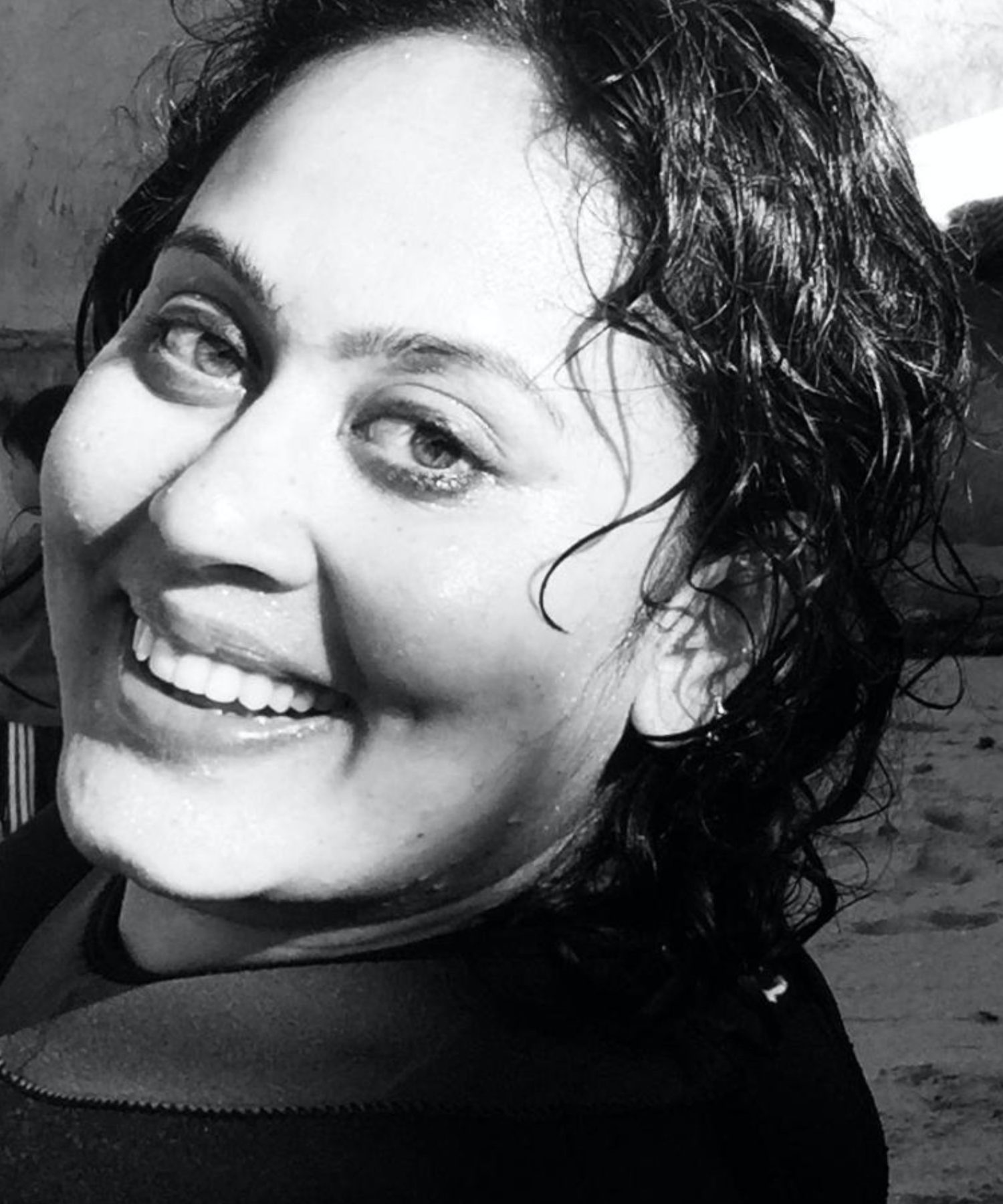
Shaili Johri, President
Shaili is a genomicist with a research focus in conservation of marine wildlife populations. She is currently a postdoctoral researcher at the Stanford Doerr School of Sustainability, Stanford University and works on population genomics and conservation of sharks. She is also a member of the IUCN Species Monitoring Group. Shaili previously, chaired the Diversity, Equity and Inclusion task force for SCB-Marine, and is passionate about encouraging students from diverse backgrounds to participate in marine science and conservation.
Shaili obtained her PhD in Genetics and works at the forefront of developing and deploying genomic tools to reduce knowledge gaps in biodiversity conservation, through cross-sector collaborations, capacity building, and outreach. Shaili has won several grant awards from the Environmental Defense Fund, the Society for Conservation Biology-Marine Section, National Geographic Society, World Wildlife Fund and recently the Bertarelli Foundation for Marine Sciences. She has extensive experience in biodiversity monitoring of sharks and rays using fisheries dependent and independent survey methods and using a diverse set of field methods and molecular genomic tools. Her research focuses on biodiversity monitoring in ~15 countries of the Indian Ocean ranging from South Africa on the west to Western Australia on the east and everything in between. Her work thus encompasses some of the most data deficient elasmobranch taxa and poorly studied and unprotected regions as well as marine protected areas such as the Chagos archipelago which are all experiencing species declines from massive unregulated or illegal fishing pressure.
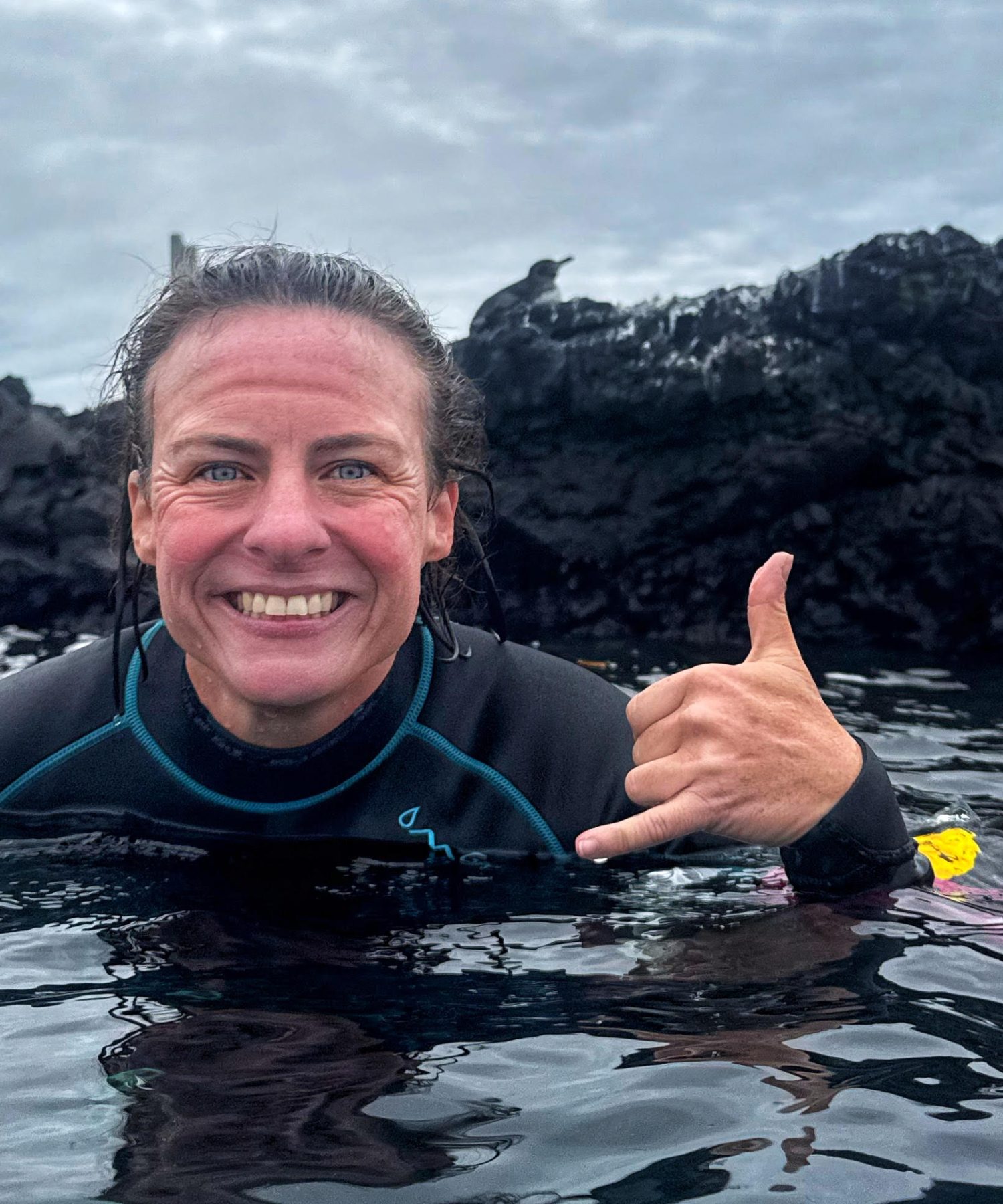
Amber Platowski, SCB-Marine Education Officer
Amber Platowski is a formal science educator, holding a master’s degree in Secondary Science Education and one in Conservation Biology. Recently, in her culmination of work at Miami University of Ohio, her focus was on using the power of citizen science and science communication to build a community of ocean conservation stewards. She co-championed the creation of a marine science career pathway from an elementary school to a middle school to a high school, building their excitement, conceptual knowledge, and environmental stewardship. She looks forward to working with other members to build out educational programming and instructional guides to be able to be implemented by teachers who may not have a marine science background.

Sarah Bedolfe, SCB-Marine Science Officer
Sarah’s lifelong passion for ocean conservation developed while exploring the beaches and tide pools of her native California. After earning a Bachelor’s degree in Biology from Swarthmore College, Sarah worked with the IMAX documentary team at MacGillivray Freeman Films where she helped develop the One World One Ocean Campaign. She went on to pursue a three-year graduate program in her other home country of the Netherlands. She earned a Master’s of Science degree in Marine Biology, graduating cum laude from the University of Groningen with a dual emphasis in Research and in Science, Business & Policy. Since joining Oceana in 2017, Sarah has collaborated across departments and geographies to help campaign teams in more than 10 countries achieve their goals. She provides strategic research, analysis and writing, and connects Oceana’s international community of scientists, particularly on the topics of habitat protection, ecology, and biodiversity.

Sarah Ater, DEI Officer
Sarah is a marine educator and conflict transformationist with interests in the active use of various forms of art for science communication and mediation to address global environmental concerns. She is currently pursuing a Ph.D in Development Studies at the Technical University of Mombasa where her research work will examine the impact of fisheries conflict on sustainable food systems. Based out of the Kenyan coast, she has previously led adult education and livelihood enhancement for women and youth groups, experiential learning for children with special needs and supported implementation of a regional billfish research project.
As a board member, Sarah aspires and yearns for more voices and actors in the marine spaces, greater visibility of under-represented groups, and strengthened collaborations and opportunities for members.
https://www.researchgate.net/profile/Sarah-Ater
https://www.linkedin.com/in/sarah-ater/
https://twitter.com/MediatorSarah

Cedrick Fogwan Nguedia, Student/ECR Officer
Cedrick Fogwan is a Cameroonian marine biologist with two master’s degrees in aquatic resource management and oceanography. He has gained international expertise in citizen science, diving, acoustics, and environmental DNA, for dolphin conservation and is an Open Water certified diver.
As a program coordinator at the African Marine Conservation Organisation (AMCO), Cedrick pioneered the SIREN app, which engages fishermen in marine wildlife data collection. He also helped secure legal protection for four marine mammal species in Cameroon and contributed to the country’s first seafloor map.
He co-lead Street Whale, an event blending science and culture to promote marine conservation. A recipient of awards from the International Sea Turtle Society (2025), Society for Marine Mammalogy (2024), and Conservation Leadership Programme (2022), Cedrick is an active member of IUCN and the Atlantic Humpback Dolphin Consortium, representing a new generation of community-rooted African scientists.
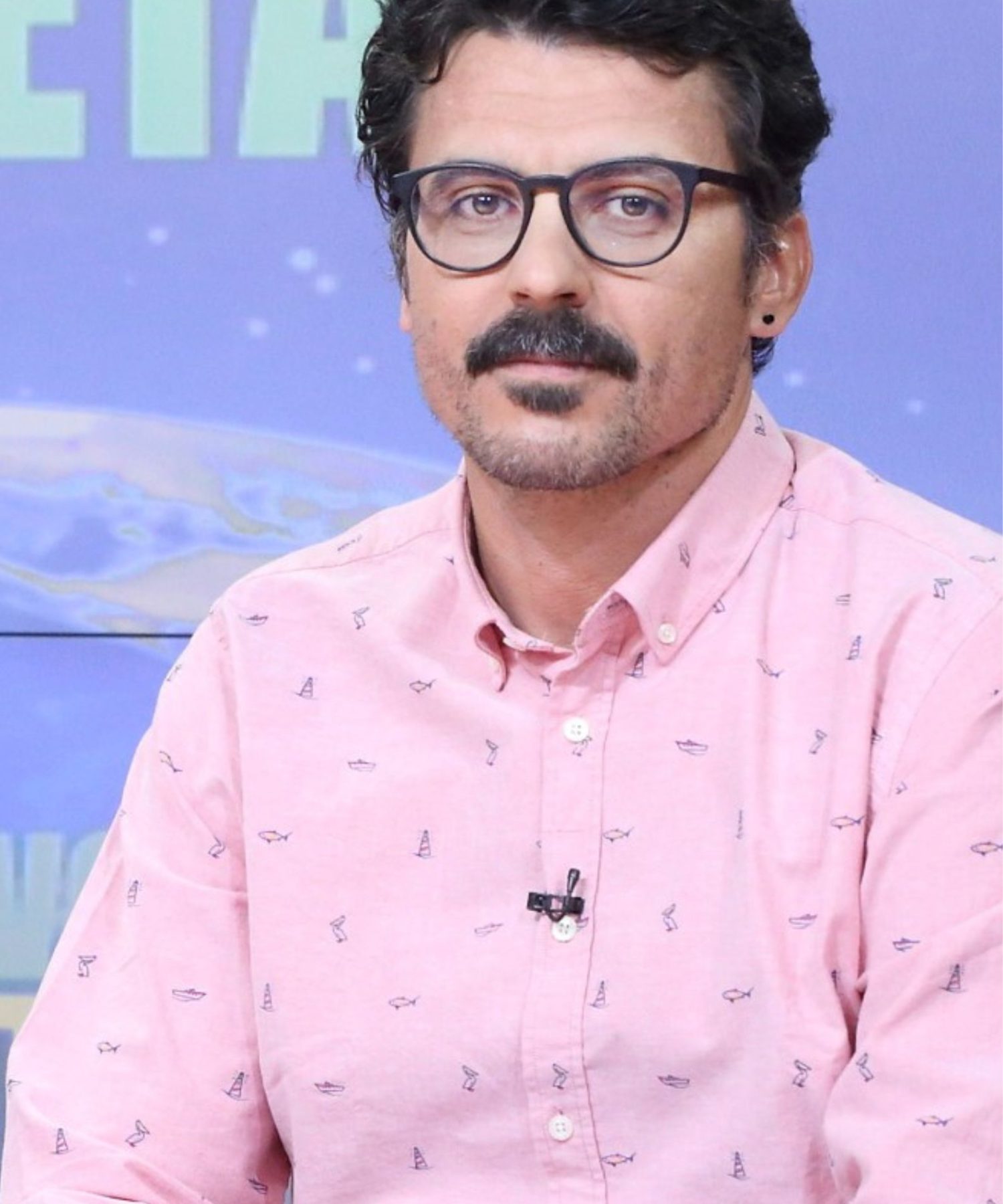
David Costalago, Policy Officer
Growing up in Spain, David always knew he wanted to follow in the footsteps of the Spanish environmentalist Félix Rodríguez de la Fuente and of Jacques Cousteau. Today, as a curious and committed citizen and scientist, David enjoys exploring the links between ecosystems and human livelihoods and strives to channel his skills and knowledge towards the conservation and sustainable management of marine resources.
He holds Master´s degrees in Natural Resource Management and in Marine Science and a doctorate in Marine Science. After defending his doctorate on small pelagic fish ecology in the Mediterranean, David went on to study how climate change and other anthropogenic factors affect the pelagic ecosystems in South Africa, the Indian Ocean, the Baltic Sea, and the Northeast Pacific Ocean. During his academic years, he was a keen user of state-of-the-art techniques, from stable isotopes to ecological modelling, to assess the condition and vulnerability of marine organisms.
Since the beginning of 2020, David has been working for ocean-focused environmental NGOs on topics ranging from illegal fishing to sustainable seafood certifications. In July 2022, he joined Oceana’s Science & Strategy team to work on fisheries policy and climate change issues from the Madrid office.
LinkedIn: David Costalago, Ph.D. | LinkedIn

Nicole Crane, Member at Large
Executive Director, David H Smith Postdoctoral Conservation Research Fellowship, Society for Conservation Biology
Co-Lead, One People One Reef
Nicole is a Senior Conservation Scientist and Executive Director of the David H Smith Conservation Research Fellowship at the Society for Conservation Biology, a program that selects, funds and mentors applied conservation research postdoctoral Fellows. Her primary areas of focus are in community led coral reef conservation and management, program development, ocean and fisheries science, and marine and environmental science education. She is Co-Director, with John Magul Rulmal, of One People One Reef– working with Pacific outer island communities to support sustainable reef management planning. Their work is focused on authentic collaboration and co-creation of action plans with indigenous and local communities, developing conservation and management tools aimed at protecting reefs and the people who rely on them. Nicole has established several science education programs in the United States, with a focus on serving underrepresented and marginalized students, and has extensive experience in the California Community College system. She was the founder, PI and Director of the National Science Foundation Center for Excellence in Marine Advanced Technology Education and PI/Executive Director for Camp SEA Lab. Nicole is an associate at the California Academy of Sciences, a National Geographic Explorer and a Fellow National at the Explorers Club.

Edward Hind-Ozan, Past President
Head of Fisheries Social Science at Department for Environment, Food and Rural Affairs
Edd is a marine social scientist working across disciplines and sectors, including toward the integration of stakeholder views and knowledge in marine management and policy.
Google Scholar: https://scholar.google.co.uk/citations?user=kg-JQlEAAAAJ&hl=en
Andrew has over 10 years’ experience in outreach, community development, project development and branding in the nonprofit, conservation, and science worlds – specializing in Ocean organizations such as NOAA, Blue Ocean Film Festival, and Mission Blue. His passion for ocean science and technology has culminated in the development of the Online Ocean Symposium and the podcast – Ocean Science Radio.
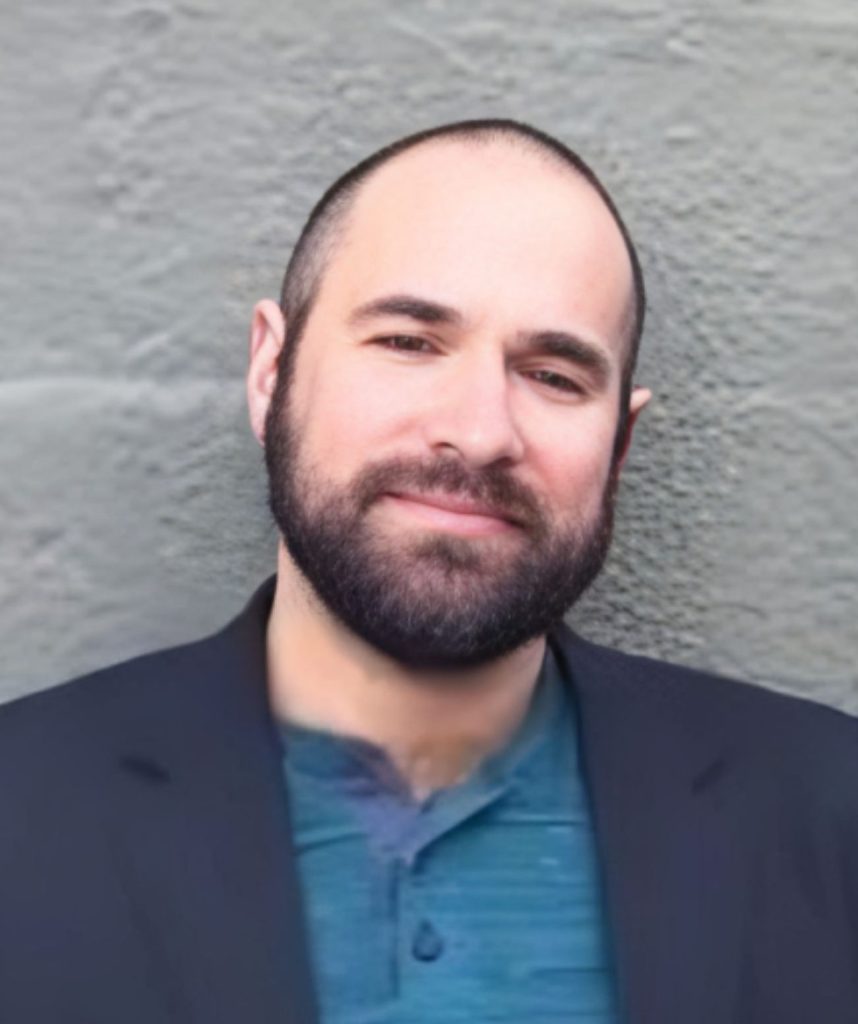
Andrew Kornblatt, Past Communications Officer
Andrew Kornblatt has over 15 years experience leading marketing teams and programs for Fortune 100 and high-profile organizations across the environmental, policy and technology sectors. Co-host and producer of Top 50 Science Podcast in America. Exceptionally skilled at managing end-to-end marketing programs, from strategy and brand development to campaign execution, analysis, and reporting. Passionate environmentalist with expertise across Clean Tech, Ocean, and Environmental Science & Policy.
He is also the producer and co-host of the podcast Ocean Science Radio, which is consistently rated a top 50 Science Podcast.
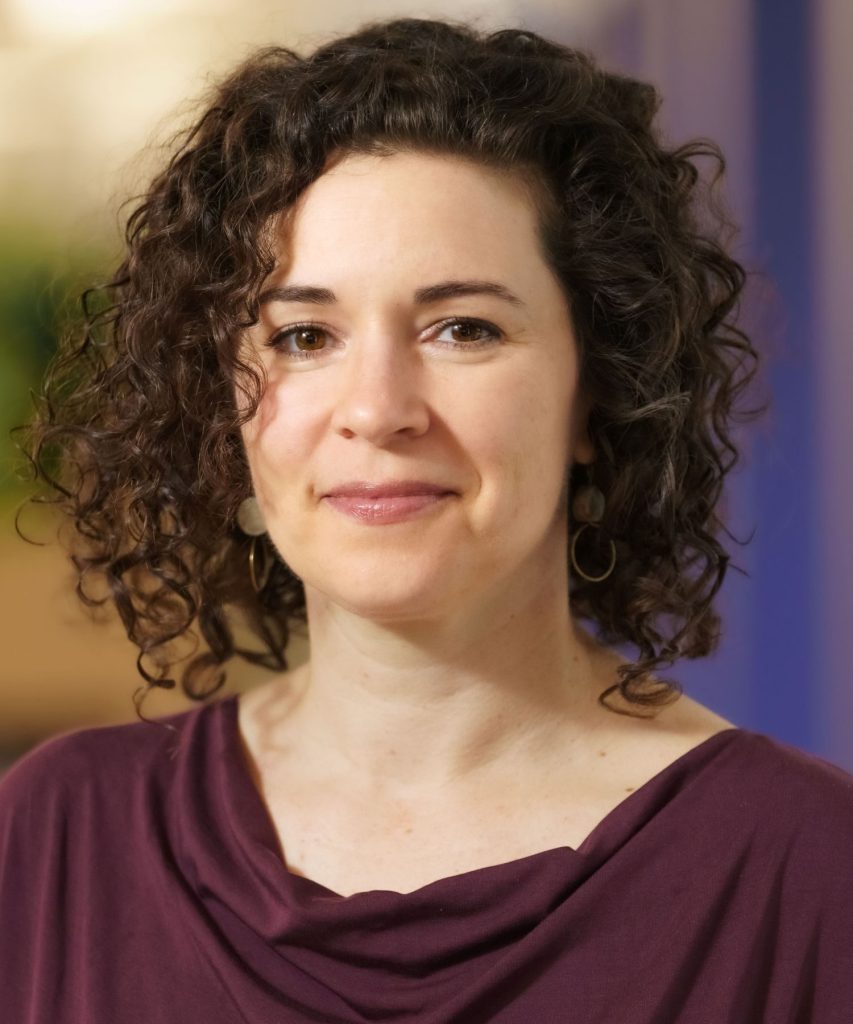
Katie Matthews, Past President
Katie joined Oceana in 2016 and has served as Chief Scientist since 2019.
She’s responsible for ensuring that Oceana’s advocacy is informed by the best and most current scientific understanding, as well as tracking emerging issues, advising on strategic direction, and supporting the 50+ staff scientists across the organization’s offices in twelve fishing nations.
She oversees Oceana’s co-chairing of the Coalition for Fisheries Transparency, as well as the monitoring and evaluation program. Her varied work environments have included Arctic ice caps, Capitol Hill, international treaty negotiations, and the waters of the eastern tropical Pacific. After 10 years in research, she returned to Washington DC, her hometown, to work as a legislative fellow in the U.S. Congress and then for the Office of Marine Conservation in the U.S. State Department. Katie continued her science-based policy work with the International Seafood Sustainability Foundation and then with The Pew Charitable Trusts, where she ran a marine conservation and sustainable fisheries grantmaking program. She also served on the Society for Conservation Biology’s Board of Governors, heading its Marine Section’s board of directors as president (2017-2019). She has an M.Sc. and Ph.D. from the University of Pennsylvania in Earth and Environmental Science.

Dr. David Shiffman, Past SCB-Marine Science Officer
Dr. David Shiffman is an interdisciplinary marine conservation biologist who studies threatened sharks and how to save them, as well as public perception (and misconceptions) about these topics. He is a faculty research associate at Arizona State University’s Washington, DC Center. He is a Ph.D. in Interdisciplinary Ecosystem Science and Policy from the University of Miami, and is an alum of the Liber Ero Postdoctoral Fellowship in Conservation Leadership. In addition to more than 50 peer reviewed scientific journal articles that have over 1,000 citations, his writings have appeared in National Geographic, Scientific American, the Washington Post, and a monthly column with SCUBA Diving Magazine. He is the author of “Why Sharks Matter,” a book on shark science and conservation that resulted in a 50+ city international book tour. This will be his 6th IMCC.
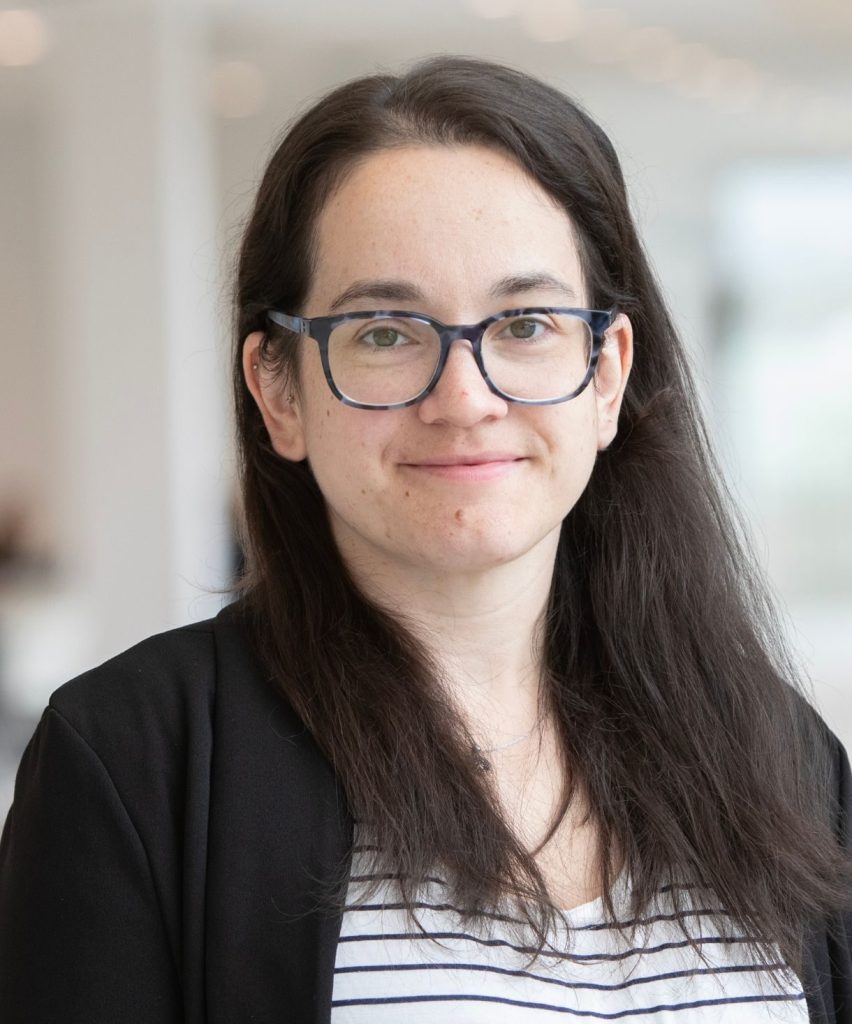
Dr. Heather Penney, Past SCB-Marine Secretary
Heather is an evolutionary ecologist that works in aquatic systems. She received her PhD in biology in 2019, then completed a 3-year MITACS post-doctoral fellowship in fisheries ecology. She is currently an assistant professor in the interdisciplinary Aquatic Resources Program at St. Francis Xavier University in Nova Scotia, Canada. She studies fisheries ecology and conservation. She has published on several topics including salmonid early life history and evolution, parasitism in sea pens, and range extensions in several marine invertebrates. Most recently, she co-authored a Fisheries and Aquaculture technical report through the FAO on the sea cucumber, Cucumaria frondosa. Her research program focuses on evolutionary ecology and conservation of bivalves, in particular freshwater mussels.
Heather has been the SCB-Marine Secretary since 2019. IMCC7 was her 4th IMCC.
Patrick Goff, Past Education Officer
Patrick is a middle school science educator with interests in bridging the gap between science education and practicing scientists. He is currently working as an 8th grade science teacher in Lexington, KY. Over the course of his career, he has been able to present about science education to local, state, national and international groups about his interests in having his students talk and work with practicing scientists. His passions to teach about currently are climate change and the environment.
Patrick is working to try and help teachers see the importance of having practicing scientists talk and work with their students as a main way to help them better understand the importance of protecting our planet.
Twitter handle: @bmsscienceteachEmail: goffscience@gmail.com
Blue Sky: Bmsscienceteach