The challenges facing our oceans demand that we introduce more youth and community members to ocean sciences, educate them on the importance of marine conservation, empower them to engage in scientific inquiry, and support evidence-based policy that protects marine ecosystems worldwide.
This grant supports innovative projects that are generating new knowledge, tools, and approaches for effective conservation.
The need for financial support of marine conservation efforts is acute in many parts of the world, especially in developing nations and those with little or no access to conservation funding. The Society for Conservation Biology Marine Program initiated our Conservation Small Grants Program (CSGP) to fund worthy conservation projects around the globe. The objective of the SCB Marine Program CSGP is to advance the conservation of marine biodiversity and the communities which depend on healthy marine systems by providing funds to individuals or groups for research, conservation, and restoration activities in support of the program’s Mission and Goals.
To advance the science, education, and practice of conserving the Earth’s marine biological diversity.
Grant Amount: $1,000–$1,500 USD
Applicants must be members of the Society for Conservation Biology’s Marine Program and may include educators, researchers, practitioners, Indigenous groups, and K–12 school groups (students must be supervised by an adult). Eligible applicants may be affiliated with:
Priority given to applicants demonstrating capacity to complete the work and first-time applicants.
Examples of eligible activities:
Non-eligible activities:
The most recent applications, for 2026, closed on January 15, 2026, 11:59 PM EST. Applications are not currently being taken.
Information, announcements, and application reminders for current and future grants rounds will be posted to the SCB Marine Program listserv, in the Marine Program news, and on the Program’s social media pages. If you have questions, please email the Marine Program Science Officer. Previous grant recipients may complete their final Small Grants Report Form using this form. If you require the guidelines document or forms in large print, audio, Braille, or a colored background, please contact the Marine Program Diversity Committee Chair Shaili Johri.
Questions? Email scbmarinecomms@gmail.com with ‘MarineGrants2026’ in the subject line
Accessibility: Guidelines available in large print, audio, Braille, or colored background upon request.

Citizen-science assessment of marine resources and their conservation in the Shark Fin Bay of Taytay, Palawan, Philippines (CSAMR)
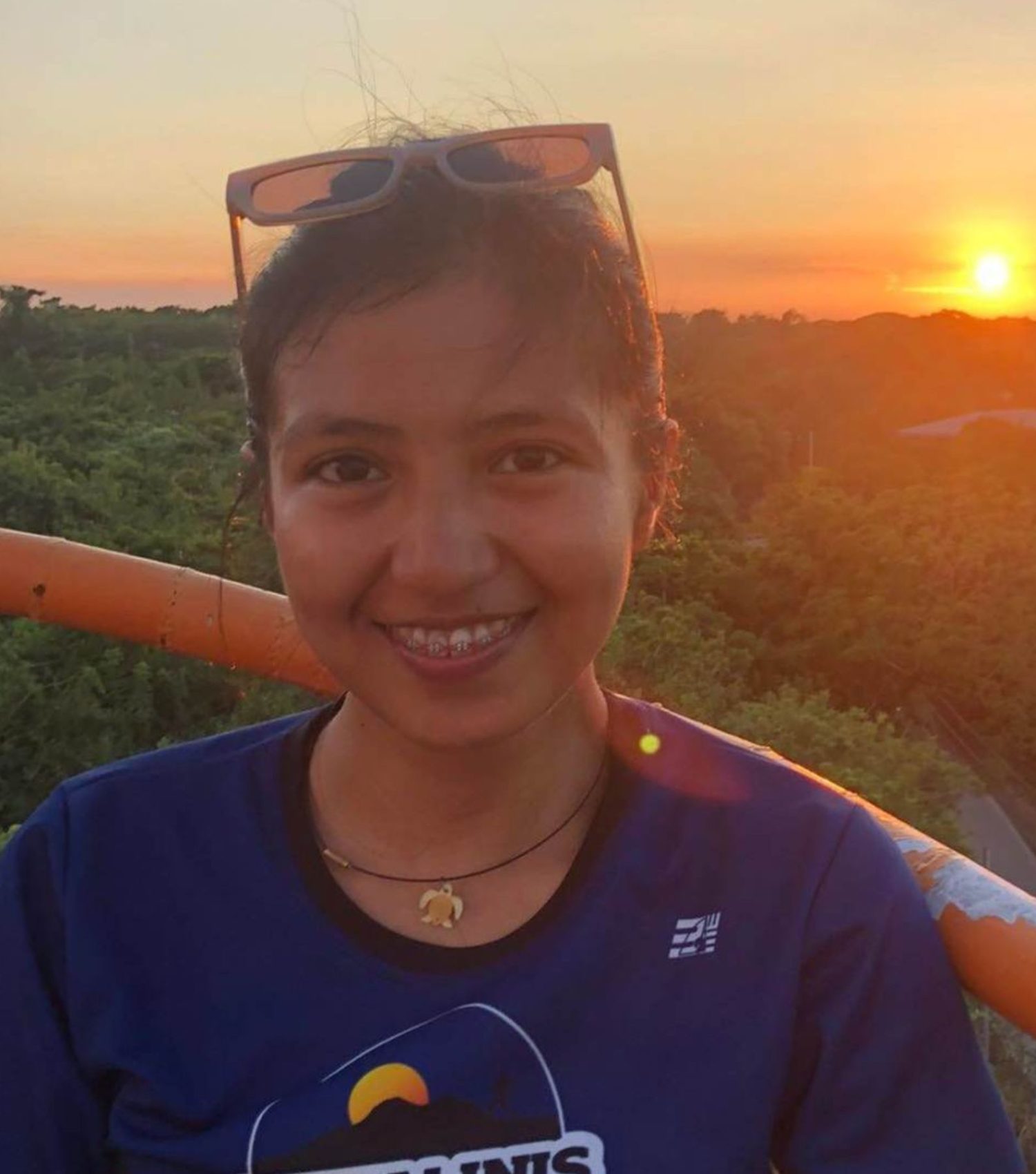
Project Country: The Philippines
Anna Celis is a research officer for Project SHAMA in Sulubaaï Environmental Foundation and is also currently taking her Master’s in Environmental Science in the University of the Philippines Los Baños. Her interest is in marine conservation and the effects of climate change in coastal ecosystems.

Understanding drivers of coral reef fish community structure in the northwest Bolinao-Anda Reef Complex (BARC), Philippines to improve reef management and local awareness on reef conservation
Project Country: The Philippines
Czarmayne is a nature enthusiast which inspires her to work on ecological research to inform management and conservation efforts. She is currently finishing her master’s degree and working at the Marine Science Institute, University of the Philippines. Her works focus on reef fish ecology, fisheries, and marine protected areas.

Assessment of microplastic pollution from Chubut River into South Atlantic Ocean to find joint solutions involving researchers, government and local community.
Project Country: Argentina
Erica Giarratano, Ph.D. is a researcher at the Center for theS tudy of Marine Systems (CESIMAR), which belongs to the National Scientific and Technical Research Council (CONICET) of Argentina. She is interested in evaluating the impact of human activities on marine life. In recent years, she began to study microplastics which are of great concern due to their widespread environmental presence and potential ecological risks.

Rising Tides, Empowered Communities: A Handbook on Ocean-Climate Action in Kenya
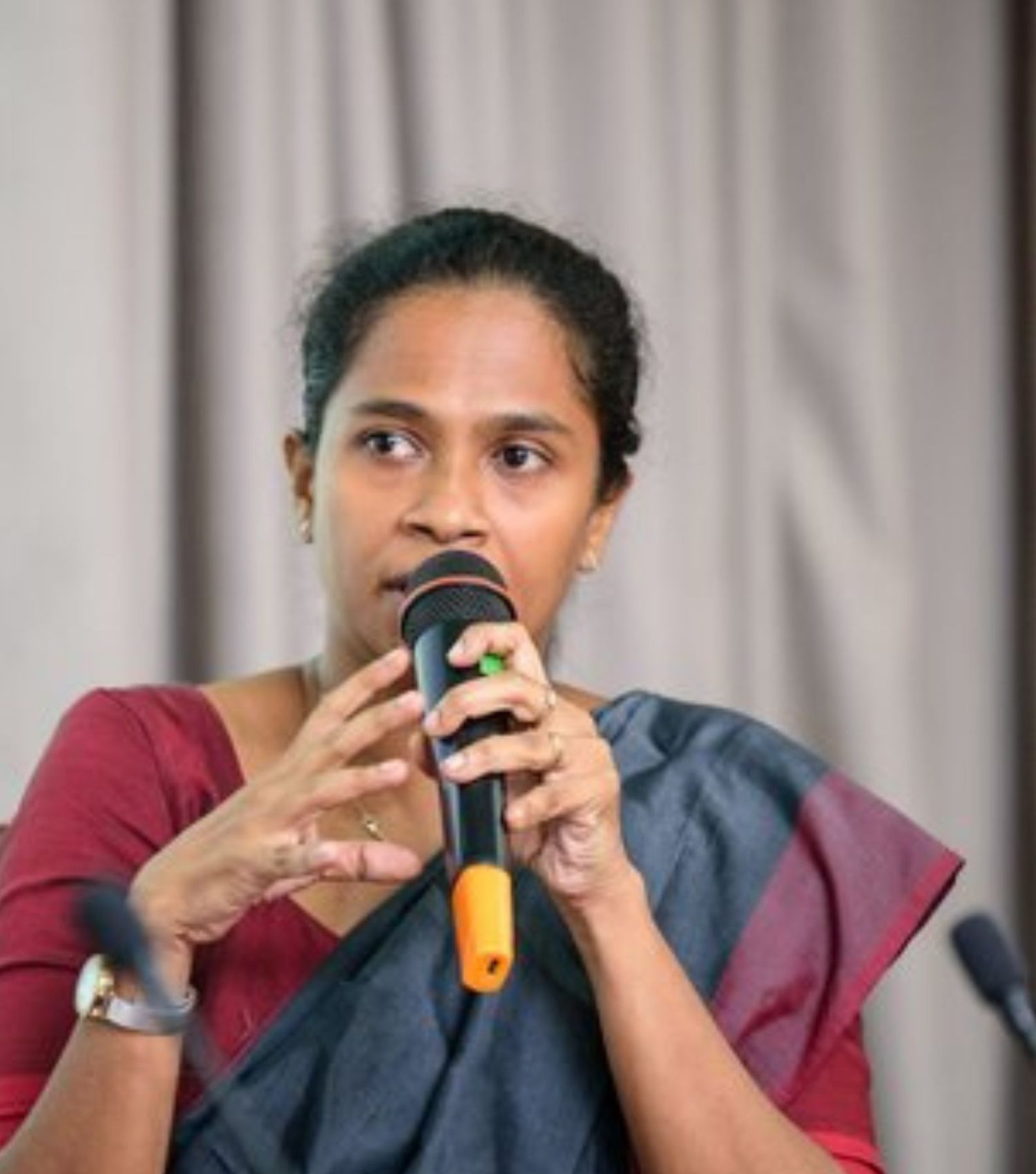
Project Country: Kenya
Esther is an ocean advocate and an environmental expert by profession. She is an award-winning conservationist, has worked with various organizations, and is well-versed in environmental and marine conservation. Esther has served as a Youth Policy Advisor at the Sustainable Ocean Alliance; worked to help develop and amplify youth-led policies for the ocean. She is the Marine Action Coordinator for Kenyan Youth Biodiversity Network, actively working with the organization to strengthen youth-led conservation efforts on marine life and coastal ecosystems.

Improving ocean literacy among school children and their capacity building in marine conservation: A case in Tangalle, Sri Lanka
Project Country: Sri Lanka
Imali Manikarachchige is a lecturer at Ocean University of Sri Lanka with an academic and research background in fisheries, ocean sciences, policy and management. She has focused research interests in mitigating sustainability issues in marine socio-ecological systems. She leads a “marine socio-ecological laboratory” in the department of Fisheries and Ocean Sciences of Ocean University of Sri Lanka.

Understanding small-scale fishers’ perceptions towards marine protected areas in Peru: where tradition and dependence on small-scale fishing clashes with nature conservation
Project Country: Venezuela
Patricia is a former graduate of the Universidad Peruana Cayetano Heredia, in Lima, Peru, and is currently participating in research projects at the Ecohealth and Urban Ecology Laboratory. She is developing her early career path with a strong focus on marine conservation and socio-ecological systems. Her objective is to work with conservation strategies that encompass a strong commitment to social justice, equity, and sustainable use of natural resources.

Establishing baselines: comprehensive habitat characterisation of Gibraltar’s marine habitats to aid marine conservation efforts.
Project Country: Gibraltar
Natalie is a researcher carrying out her PhD at the University of Gibraltar. Her research is based in strengthening marine conservation measures in Gibraltar, a UK Overseas Territory that faces many challenges including environmental, political and economic. She is looking to find ways, based on international good practice, to overcome these and involve the local community in taking ownership of their local ocean.

Morphological and Molecular Characterization of Stingrays Aiding Conservation Actions Against By-catches in Gulf of Guinea, Lagos, Nigeria
Project Country: Nigeria
Segun Olayinka OLADIPO is a lecturer at the Department of Zoology, Kwara State University, Nigeria. He holds B. Sc. (Hons) Zoology, M. Sc. (Zoology) with specialization in Ecology and Environmental Biology, Ph.D (Zoology) with specialization in Aquatic and Fishery Ecology and a Visiting Researcher in California Academy of Sciences, San Francisco, USA (2021). As a National Geographic Explorer and researcher, his research interest focuses on ecology, genetics and conservation of Nigerian marine and freshwater fishes. Presently, he is working on DNA-based assessment of freshwater and marine fishes in Nigeria.

Partnering with local youth in citizen science survey methods for fish biodiversity and abundance in Grenada
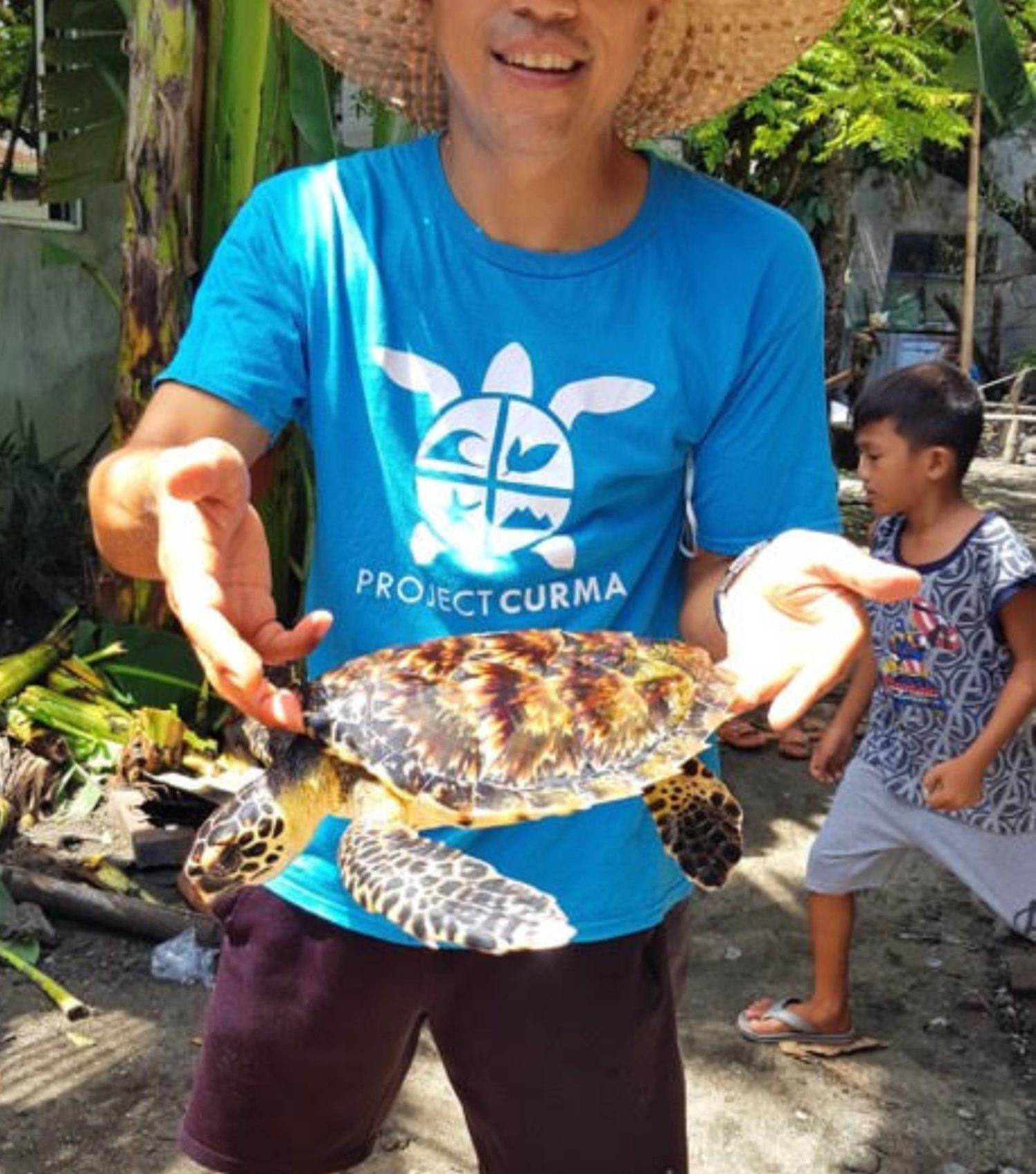
Project Country: Grenada
Hilary Penner is Reef Environmental Education Foundation’s Education and Conservation Programs Manager. She works to develop new community partnerships, create new youth learning opportunities, and engage REEF members to support REEF’s ocean conservation misson.

Empowering Communities to Protect Sea Turtles: CURMA Marine Conservation Center’s Education and Training Hub
Project Country: The Philippines
Carlos Tamayo is a dedicated conservationist with close to a decade of experience in turtle conservation. As the Conservation Director at CURMA, he strives to implement our conservation model nationwide, ensuring the best practices for turtle preservation. He aims to inspire others through storytelling about wildlife and the communities behind the conservation efforts. By capturing their dedication through my camera lens , he hopes to ignite a sense of responsibility for these incredible creatures and the environment they depend on. Film is his medium to convey the beauty of the natural world, aiming to evoke emotions, raise awareness, and inspire change. He believes that showcasing the interconnectedness of our environment fosters appreciation and understanding.

Biodiversity and habitat use of marine mammals in the Central Coast of Oaxaca, Mexico
Project Country: Mexico
Mariana has a B.S. degree in biology granted by Universidad Autónoma de Aguascalientes, México. In 2006, she obtained her M.S. degree in Management of Marine Resources. Her research was focused on the habitat characterization of blue, humpback, Bryde, fin and sperm whales in the Gulf of California. She was a volunteer for two months at the dolphin captivity center in La Paz, B.C.S. México in 2001. She received a scholarship to study at the School for Field Studies in Mexico, where she participated in the ecology studies of gray whales and sea turtles. She also had the opportunity to participate in short marine mammal surveys in Bahía de La Paz in 2004-2006 and a larger survey along the Gulf of California. Presently, Mariana is a Ph. D. Student in Oaxaca, Mexico. She is studying the biodiversity and ecology of cetaceans along the Oaxaca central coast. Her research is focused on environmental variables determining the distribution and abundance of cetaceans. She is using acoustic techniques to detect cetacean species.

Macro-invertebrate assessment of rocky intertidal areas in Samal Island, Davao Gulf (MARINA)
Project Country: The Philippines
Known by many as “Ting”, his passion for marine science started in 1986, when he served as research assistant at the Bolinao Marine Laboratory of the Marine Science Institute of the University of the Philippines Diliman. He currently works as full-time faculty at the University of the Philippines Mindanao in Davao City. Although his main interest concerns the biology, ecology, biodiversity, and biogeography of reef fishes in the Philippines, he is also involved in studies of the diversity of molluscs in the intertidal region in Davao Gulf. His vision is to expose students to marine life to foster appreciation of the beauty of nature, particularly in a country that is known for its high diversity of marine life.

Sea turtles conservation: increased conservation efforts through education and capacity building for nesting beaches monitoring and bycatch reporting in southern coast of Cameroon
Project Country: Cameroon
Ursla is a former graduate from the University of Dschang, Cameroon where she completed her Master Degree in Applied Ecology and Wildlife Management. Currently, Ursla is intern Ecologist at Cameroon Herpetology – Conservation Biology Foundation (CAMHERP- CBF), a non profit organization dedicated to amphibian and reptile conservation. In 2016, she initiated her work on marine turtles in South Cameroon, where she assessed local perceptions on sea turtle conservation. She also established a network of fishermen to document bycatch, and she conducted community outreach campaign to involve local fishermen in sea turtle conservation. Ursla is currently conducting beach monitoring to protect nesting female turtles and eggs. She is planning community awareness with children to promote grassroots conservation. Ursla is looking forward to reduce bycatch in South Cameroon and build an environment where local people live in good harmony with the marine resources.

Integrated assessment of ecosystem services in a marine protected area: the case of Malindi and Watamu Marine Park and Reserves
Project Country: Kenya
Margaret is a dedicated scholar and environment scientist currently an Assistant Lecturer in the School of Water Resources Science and Technology at the South Eastern Kenya University, Kitui, Kenya. A Ph.D. recipient of the University of Cadiz, Spain, she works on adopting the ecosystem services approach to the management of aquatic ecosystem, especially the mangroves in Kenya. In 2015, her work on mangroves in the Watamu Marine Reserve won a World Wildlife Fund Fellowship. She has also participated in projects organized by the Tropical Biology Association, Cambridge University, UK and has volunteered for a Darwin Initiative project on biodiversity conservation of Lake Bogoria. She is one of the founders of the Tropical Biology Association Africa Alumni Group that organised the maiden students’ conference in conservation biology in Africa. She has just been elected as the Education and Science of Africa Section of the Society for Conservation Biology and has received numerous awards, prizes and mentions at important professional meetings.

North Bali Reef Conservation
Project Country: Indonesia
Zach is co-founder and international coordinator at North Bali Reef Conservation. After visiting North Bali in 2016, Zach became aware of the problems unsustainable fishing and plastic pollution were causing in Bali. He identified that something needed to be done to protect the marine ecosystems around Tianyar and consequently co-founded the North Bali Reef Conservation Project alongside his Environmental Science degree in the UK. His current role involves coordinating new volunteers into the project. He is also currently undertaking research to assess how artificial reef habitat enhancement improves marine biodiversity along the North Bali coastline.

First data on population genetics of sperm whale (Physeter macrocephalus) in the southwestern Atlantic Ocean
Project Country: Brazil
Fernando is a PhD candidate at Pontificia Universidade Catolica do Rio Grande do Sul (PUCRS) and is member of the research groups “Evolutionary and Molecular Ecology” of this university and “Mammal Ecology and Conservation” at Universidade do Vale do Rio dos Sinos (UNISINOS). He has a bachelor’s degree in Biology (UNISINOS) and a master’s degree in Zoology (PUCRS). Fernando has studied the evolutionary history (phylogeography) of marine mammals and has also worked with conservation genetics and genomics of different species of cetaceans, fur seals and sea lions.

A digital documentation on marine conservation and its impact on locals around Gulf of Mannar Biosphere Reserve
Project Country: India
Arushi comes from a background of journalism and communications. Eager to blend this interest with development work, she moved from three years of working in India’s media hub Mumbai to working for a local NGO based in Chennai. For the past year, Arushi has been working on digital content and documentation on issues surrounding conservation and biodiversity. She is writing, directing and producing a docu-series about marine conservation in the Gulf of Mannar and its impact on the locals. Fishing being one of the major livelihoods for locals here continues to pose as one of the existing threats to the islands that are otherwise considered as the country’s richest marine biodiversity hotspots. She is specifically looking at the involvement of the wives of fishermen and how they have been empowered with alternative livelihoods to reduce pressures on the marine ecosystem. Having experienced and grown up in the island life of Hawaii, this is a cause that Arushi naturally feels passionate towards. She hopes that her visual series will be a small step towards making a difference.

Sea turtle hatchery management practices in Gujarat and Maharashtra, India
Project Country: India
Andrea became engaged with sea turtle research and conservation as an undergraduate student, and then completed her PhD on fungal invasion of sea turtle nests in eastern Australia in 2002. She has since worked as an academic in Australia, Bangladesh and India, and is a Regional Vice-Chair for the Middle East and South Asia in the IUCN SSC Marine Turtle Specialist Group, a Scientific Advisor to the IOSEA Northern Indian Ocean Marine Turtle Taskforce, on the Board of Directors of the International Sea Turtle Society, and editor of the Indian Ocean Turtle Newsletter. Her recent research focuses on factors influencing sea turtle embryonic development and hatchling fitness and dispersal, sea turtle hatchery management practices, and local fisher interactions with sea turtles and dugong. Her small marine grant from SCB will be used to further investigate sea turtle hatchery management practices in the states of Gujarat and Maharashtra, India, where approximately 50% of the hatcheries operating in India are located.

Coral reef education and outreach in the Verde Island Passage, Philippines
Project Country: The Philippines
T. E. grew up in the Philippines, where most people live along the coast and many derive their livelihoods from the sea. Given the importance of healthy nearshore marine environments in the Philippines, many coastal communities there have established local marine protected areas (MPAs). Though well intentioned, these natural areas targeted for protection are vulnerable to human activities on adjacent land. Urbanization, deforestation and farming contribute to coastal runoff of sediments, nutrients and pollution. More effective coastal MPAs may require ways to mitigate land-based activities. With a background in terrestrial environmental management, T.E. is seeking ways to design more effective MPAs, ones that consider more holistic approaches to integrating marine and coastal management.

Bringing science to people: involvement of local community to coral reef conservation
Project Country: Mexico
Jenny Carolina is a Colombian marine biologist who is post-doctoral research fellow in the Autonomous University of Baja California Sur, Mexico. A specialist in diseases of the main reef building species in the Tropical eastern Pacific, she is focused on describing the pathogenesis of Pocilloporas´ white syndrome and the consequences of this disease to the ecosystem. She is founder of a volunteer network (www.submarinformantes.org) that gathers information about the health status of coral and other reef organisms. Recognizing the importance of education and training on the identification and report of unhealthy conditions on animals, she currently works on a project that aims to build community faculty for coral reef monitoring in the Sea of Cortez. The project focus is on reefs near La Paz, in order to have a better management and conservation of this species and to increase the spatial and temporal scales of surveillance of the condition of the ecosystem. In her spare time, Jenny enjoys dancing and cooking for family and friends.

Fishing for useful data in purposeless archives: the potential benefits of digging into the history of the recreational fishing tournaments in Argentina
Project Country: Argentina
Leo is a researcher at CESIMAR (CCT CONICET – CENPAT), Puerto Madryn, Chubut, Argentina. The general objective of his work is to develop alternatives to monitor the coastal rocky reef system and to evaluate management options for the fish populations that inhabit them. His project deals with the monitoring of fishing effort and catches in angling tournaments carried out along the coast of Buenos Aires province, some of which have more than 20 years of history. One of the main outcomes of the project, beyond the evaluation of trends in the number, species composition and size of the catch, will be establishing a monitoring protocol that will make those data useful for conservation purposes. Besides his professional interests as a biologist, Leo enjoys family life, soccer and playing the bass in a hardcore-punk band.

Pacific Goliath Grouper conservation in Panama
Project Country: Panama
Gustavo is a postdoctoral research fellow at the Leibniz Centre for Tropical Marine Research in Bremen, Germany. His research interests include the biology and ecology of tropical fishes, with an emphasis on those inhabiting shallow coastal nursery habitats (e.g., mangroves). Gustavo has carried out research in different countries of Latin America, including Brazil, Panama, Peru and Colombia. In recent years, Gustavo has been widening the scope of his research to include topics of ecosystems ecology with particular reference to mangrove ecosystems. Gustavo is a biologist with a Bachelor degree from Universidad del Valle in Cali, Colombia and a Master and PhD degrees from the Bremen University in Bremen, Germany. He has been a consultant for WWF Colombia since 2008 working on different projects related to the conservation and sustainable management of natural resources in the Colombian Pacific coast. Gustavo is currently a member of the IUCN Groupers and Wrasses specialist group.

Molecular identification of elasmobranchs from landing sites in India
Project Country: India
Shaili obtained her Ph.D in Human genetics from the University of Utah, and brings her expertise in molecular genetics and molecular biology to the Wasser lab. She is currently developing a molecular method for reliable predator and prey species identification from scat. She will use this method to determine changes in the ecosystem due to the return of wolves, as apex predators, in North East Washington. She is also interested in developing the gut microbiome as a metric to determine the health of an ecosystem and any disturbances in an ecosystem due to habitat modification. Shaili is also working to develop methods for toxin detection/identification and gene expression analyses on killer whale scats. She will use these metrics to study killer whale health with respect to environmental pollutants in the Salish Sea.

Natural history of the giant sea bass Stereolepis gigas in Mexican waters
Project Country: Mexico
Juan Carlos graduated from the Marine Sciences School (UABC, Mexico) with a B.Sc. in Oceanography. He then worked for the Mexican NGO Comunidad y Biodiversidad (COBI), where he worked closely with fishing communities in Mexico to promote community-based sustainable fisheries and marine conservation. He then obtained a Master of Environmental Science and Management specializing in Coastal Marine Resources Management at the University of California, Santa Barbara. His Masters project focused on developing an app that allows fishers, managers, and academics evaluate marine reserves using standardized methodologies. He is now a Ph.D. student and Latin American Fisheries Fellow at UC Santa Barbara, under Dr. Steve Gaines and Dr. Chris Costello. Juan Carlos performs research that broadens interdisciplinary knowledge of fisheries management, marine ecology, and human interactions with the environment. His broader research goal is to combine ecological data with economic instruments through data science to understand how best to design and manage marine reserves under current and future socioeconomic and environmental conditions.

In search of the big blue: assessing the occurrence of blue whales in the Bohol Sea, Philippines
Project Country: The Philippines
Jo started as a volunteer for the Species Unit of WWF-Philippines, which almost instantaneously turned into a passion and a career. Since then she has led many cetacean surveys around the country, responded to marine mammal strandings, and conducted seminars/workshops on marine mammal biology, research and conservation. Jom worked for WWF-Philippines and Conservation International-Philippines and initiated independent research and conservation projects. She has partnered with other NGOs such as the Centre for Rural Empowerment and the Environment (CREE), Bohol Foundation for Environmental Restoration, Preservation & Protection (BFERPP) and Physalus. She is a biologist and a veterinarian who is primarily interested in wildlife research and medicine. Other research interests include marine environmental history, marine protected area management, whaling and fisheries for other large marine vertebrates. She is the Founder and Principal Investigator of BALYENA.ORG.

Assessment of Local Perceptions and Community-Based Conservation Strategy for Dolphins in Eastern Nigerian Inshore Atlantic
Project Country: Nigeria
Having a background of Forest Resources Management, Fola’s zeal for conservation was crystallized after attending the field course of Tropical Biology Association (TBA) at Uganda in 2003. His project will be a preliminary assessment of bonga seine fishing practices with implications on dolphins. The methods will employ an observer programme with both fishery-dependent and independent surveys with fishers, and fieldwork of bonga fishing and dolphin by-catch. Artisanal seine fishery for bonga started in Nigeria in 1970s by migrant Ghanaian fishermen and largely replaced the gill net fishery that had been operating for decades. The new fishery has much higher catch rates, a wider area of operations, and other characteristics that make it very successful from the point of view of increasing bonga catches. However, often the schools of bonga are detected and eventually encircled together with large pod of dolphins. The project is expected to document implications of by-catch on dolphin along the coast of Nigeria. It will also raise awareness on the need for conservation of cetacean biodiversity in tropical marine waters and educate fishers on the conservation needs of dolphins.

Restoring a critical coral reef nursery in the Maldives
Project Country: Maldives
Georgia has always been interested in the sea and marine life, having spent her early childhood in Dubai and teenage years on the Queensland coast. Returning to the UK with her family she then completed her Bachelors in Marine Vertebrate Zoology at Bangor University and an MSc in Marine Environmental Management at York University. Her MSc thesis evaluated the ecological effectiveness of locally managed marine areas in Rarotonga, Cook Islands. This research and the time spent in the Cook Islands sparked her interest in community involvement in coral reef and resource management. After finishing her MSc, she undertook two protected area internships in London with the Zoological Society of London and Blue Ventures.
In 2014, Georgia was the lead scientist for a New Zealand based NGO, OceansWatch. This position took her on research expeditions to the Solomon Islands and Vanuatu and enabled her to further her knowledge and enthusiasm for community managed MPAs in the Pacific. Georgia was a representative of OceansWatch New Zealand and a member of the education team for the Khaled bin Sultan Living Ocean Foundation’s Solomon Islands mission at the end of 2014. She is volunteering alongside a small non-profit charity, Coral Reef CPR in the Maldives, where she will develop coral nurseries for reef restoration, remove coral-eating snails and starfish, and educate resort guests, staff, and high school graduates in reef restoration techniques.

Population genetics to assist with the conservation and management of the endemic, data deficient, leopard catshark Poroderma pantherinum
Project Country: South Africa
Katie Gledhill has studied sharks and rays around the world. She has a passion for inspiring new shark advocates through science and education. She hase always been fascinated by the sea and felt at home traipsing through rock pools or being underwater. As a young girl fishing with family and friends in Australia, she accidentally caught a Port Jackson shark less than one meter long. Before releasing it, she felt the strength of the small, funny-looking animal that didn’t have big teeth and laid spiral-shaped eggs. She was hooked! She has worked with some amazing and threatened species, such as giant tiger sharks from bottom of the ocean, pregnant lemon sharks moments before they gave birth, critically endangered smalltooth sawfish, and endemic catsharks found in South Africa. Katie has been working with South Africa Shark Conservancy (SASC) since 2010, when she first joined the team as an intern. Katie was the Lab Manager of the Bimini Biological Field Station for 4 years and is currently the Principal Investigator for a project partnership between the Earthwatch Institute & SASC.

Determining the motivations for, and social and ecological effects of, fishing behaviors in an artisanal fishery in Pemba Bay, Cabo Delgado, Mozambique
Project Country: Mozambique
Katie’s research for her PhD at Rhodes University in South Africa looks at the motivations for using particular methods for fishing and the ecological effects of those methods in an artisanal fishery in Pemba Bay, Mozambique. She is collaborating with the local university and local managers in three communities around the bay: Ruela, Bandare, and Chuiba. To understand the motivations for, and effects of, different fishing methods, she is observing fishermen during fishing trips to determine where they fish, the energy and time needed to use different methods, the cost of using those methods, and the catch and profit from those methods. She will conduct interviews with fishermen to determine their perceptions of, and priorities for, the fishery and will also use underwater video techniques to determine how the fish community changes by area and with different fishing intensities. Lastly, she will conduct workshops with local fishers and other fishery stakeholders to share information and find collaborative solutions to the problems facing the local fisheries.

Molecular-assisted identification and economic value assessment of Batoid species at landing sites in Gujarat, India
Project Country: India
Shaili obtained her Ph.D in Human genetics from the University of Utah, and brings her expertise in molecular genetics and molecular biology to the Wasser lab. She is currently developing a molecular method for reliable predator and prey species identification from scat. She will use this method to determine changes in the ecosystem due to the return of wolves, as apex predators, in North East Washington. She is also interested in developing the gut microbiome as a metric to determine the health of an ecosystem and any disturbances in an ecosystem due to habitat modification. Shaili is also working to develop methods for toxin detection/identification and gene expression analyses on killer whale scats. She will use these metrics to study killer whale health with respect to environmental pollutants in the Salish Sea.

Citizen Science: Involving local communities and citizens into marine mammals conservation using modern technology in Cameroon coastal line.
Project Country: Cameroon
Paul graduated in Applied Ecology and Wildlife Management at Dschang University, where his master’s thesis focused on manatee research and conservation in Lake Ossa Wildlife Reserve in Cameroon. He has been involved in marine mammal research, conservation and education projects in Cameroon with the African Marine Mammal Conservation Organization (AMMCO) since 2011.

Lionfish invasion in Brazilian coral reefs: Emergency cause involving local community, researchers and dive centres
Project Country: Brazil
Pedro is originally from Brazil were he did Postgraduate work on Tropical Coastal Environmental Management (2009), and a Master’s in Oceanography at Federal University of Pernambuco (2011). He is currently a post-doctoral research fellow, leading the Reef Conservation Project (http://www.conservacaorecifal.com/) in Northeast Brazil, performing direct conservation action for the reef and increasing local community development.

Fishermen capacity building for lionfish control at Taganga Fishing Community (Colombia)
Project Country: Colombia
Luz received her Bachelor’s degree as a Marine Biologist from the Universidad de Bogotá, where she characterized the vocalizations of the Tucuxi (Sotalia fluviatilis), a freshwater dolphin from the Amazon River. She has been working as a consultant and as a marine mammal and fauna observer since 2008. She received her Master’s degree in Marine Science at the Universiti Sains Malaysia, focusing on setting the scientific baseline of the small cetaceans inhabiting Penang, an island in west Malaysia. Luz is a member of the Sociedad Latinoamericana de Especialistas en Mamíferos Acuáticos (SOLAMAC), the Society for Marine Mammalogy, and the Society for Conservation Biology.

Managing Data-poor Fisheries: integrating social and ecological approaches for marine spatial planning
Project Country: Brazil
Júlia has a degree in Biology and a master’s degree in Ecology at the National Institute of Amazon Research, where she studied fish paternity. She is currently a PhD student at the Federal University of Rio Grande do Norte, where she is working to integrate fishers’ knowledge and scientific occurrence data to build distribution and abundance models for four marine fishes of economic interest for Brazil.

Ridding India's Waterways of Fecal Bacteria, One Step at a Time
Project Country: India
Michela is currently working in Kochi, Kerala, India on a Fulbright scholarship; her project focuses on determining the dominant source(s) of bacterial pollution in the Cochin backwaters, which holds immense ecological, economic, and cultural importance in Kerala. She’ll be utilizing next-generation sequencing to compare water samples from the Cochin backwaters with fecal samples from humans and animals in the area. In her spare time, Michela enjoys traveling, hiking, and seeing live music.

Baseline Data Collection of Ocean Sunfish (Family: Molidae) Distribution Along Bali and East Java
Project Country: Indonesia
I am Eka Maya Kurniasih from Indonesia and a Junior Research Fellow of the Indonesian Biodiversity Research Center (IBRC) which is located in Bali. As a Junior research fellow, I have been assigned to various research project. Currently, I am working on Phylogenetic study of reef fishes, Marine Biodiversity inventory through DNA Barcoding, Decapods Biodiversity using Dead Coral Heads in Indonesia and also participating on Autonomous Reef Monitoring Structures (ARMS) project across the Indonesian Archipelago. I am also interested in Marine Mega fauna include Molidae Family, especially using molecular techniques to support direct management and conservation in Indonesia. I love to travel as well as do research. I want to be a marine biologist and relate important science issues to the public in a more conversational way.

Marine Turtle By-catch Reduction and Rescue Programme in the Gulf of Mannar, Northwest Sri Lanka
Project Country: Sri Lanka
Lalith Ekanayake is the Founder & Chairman of the Bio Conservation Society (BCS), Sri Lanka. After his B.Sc. degree he started research on sea turtles and has completed his M.Phil. and Ph.D. degrees from the University of Peradeniya, Sri Lanka, on sea turtles. Currently conducting community based sea turtle & coastal biodiversity conservation and research.

Locally-based and Cost-effective Tools for Protection of Turtle Nests
Project Country: Tanzania
Born in Tanzania, Robert Katikiro is a marine ecologist by training and has been a researcher and conservation practitioner since 2005, maintaining a strong passion for conservation of marine biodiversity. Robert has a broad experience in tropical marine ecology and has been involved in marine impact assessment and monitoring in protected areas, restoration of marine habitats and he has been heavily involved in implementation of measures which aim at reducing mortality of critically endangered marine species to enhance the health of ocean ecosystems. He is currently the conservation manager at the Mnazi Bay-Ruvuma Estuary Marine Park in southern Tanzania where is responsible for public awareness programme on marine protected areas including developing locally based methods of handling sea turtles for fishermen.

Assessment of Abundance of Pygmy Seahorses in Bangka Island, Indonesia
Project Country: Indonesia
Maarten is a PhD candidate at Curtin University in Perth. His research focuses on rare and camouflaged marine species such as seahorses and frogfishes. He looks into their importance to local communities in Indonesia and Philippines.

Educational Exhibition: Research for the Conservation of the Adriatic Sea - the Slovenian Dolphin Project
Project Country: Slovenia
Tilen Genov is primarily active in the area of conservation biology and ecology of marine mammals and marine turtles. After graduating in Biology at the University of Ljubljana, Slovenia, he enrolled in the Master of Research degree in Marine Mammal Science at the University of St Andrews, United Kingdom, where he graduated with an overall distinction. In 2013 he enrolled in a PhD study at the University of St Andrews. Tilen has been involved in marine mammal field research and conservation for 15 years, which involves various projects in the Adriatic Sea, eastern and western Mediterranean, Red Sea, North Sea, and the North and South Atlantic. He is the founder and president of Morigenos – Slovenian Marine Mammal Society, and a coordinator of the Slovenian Dolphin Project, which received the Ford Environmental & Conservation Award. He currently works at the University of Primorska, Slovenia, with a researcher position at the Science and Research Centre and a teaching assistant position at the Faculty of Mathematics, Natural Sciences and Information Technologies. His current roles include being a Council member of the European Cetacean Society, member of the UNESCO Intergovernmental Oceanographic Commission and a member of the Scientific Committee of ACCOBAMS (Agreement on the Conservation of Cetaceans of the Black Sea, Mediterranean Sea and contiguous Atlantic Area).

Life History Science to Improve Conservation Management of the Mexican Chocolate Clam in Loreto, Mexico
Project Country: Mexico
Kara Pellowe received a B.Sc. in Environmental Biology from Cornell University, and now attends Brown University, where she is a Ph.D. student in Ecology & Evolutionary Biology and an M.A. student in Sociology. Kara is interested in the dynamics of coupled social-ecological systems, especially how ecological processes, together with human activities, influence ecosystem function and the delivery of valuable ecosystem services. Kara’s dissertation work focuses on understanding how ecological and social factors affect the resilience of the Mexican chocolate clam fishery in Baja California Sur, Mexico.

Coral Health and Disease Across an Anthropogenic Gradient in Timor-Leste
Project Country: Timor-Leste
Catherine is completing her PhD at the University of Queensland Australia focusing her research on the coral reefs of Timor-Leste. Previously she studied and worked at Cornell University for Professor Drew Harvell managing her Research Coordination Network Grant on the Ecology of Infectious Marine Disease and was a program assistant for the Earth and Environmental Science Sustainability Semester based in Hawai‘i.